Five Weeks in a Balloon
1962
No user ratings available yet
Representation score: 0.3 out of 10
Representation Score
Minimal
1966
GDirector
Byron Paul
Runtime
113 minutes
Average Rating
No ratings yetNew Showbiz Analysis
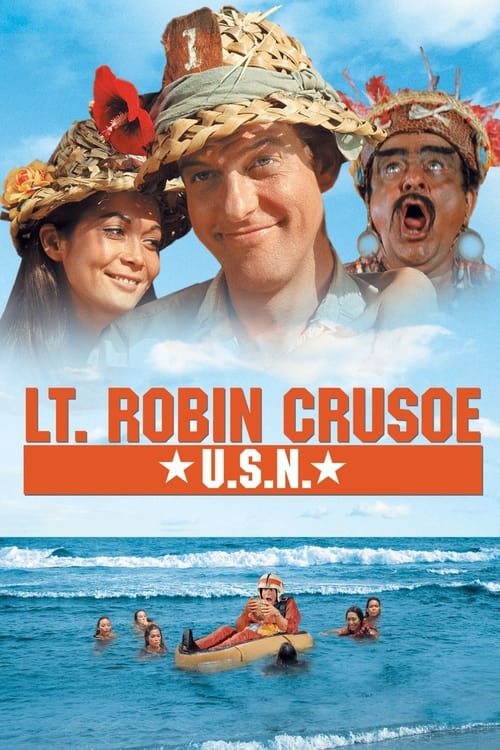
Lt. Robin Crusoe U.S.N. is a quintessential mid-century adventure that prioritizes escapism and traditional heroism. The narrative structure is built around traditional masculine leadership and the cliché of the civilized individual navigating the wild. The film's inclusion is minimal, relying on a single local character to provide a sense of non-homogenous casting. However, this character lacks the control needed to disrupt the film's established social hierarchies or colonial-era perspectives. Ultimately, the movie functions as a product of its time, adhering to established studio-era storytelling that favors Western-centric values and assumptions about straight relationships.
Category Breakdown
The film follows a traditional adventure storyline focused on survival and interactions that assume everyone is straight. There are no representations of non-traditional gender identities or stories that challenge standard social norms.
The story centers on a male-led survival scenario. A local girl is introduced but primarily serves as a plot device rather than an independent driver of social change.
The setting relies on Western-centric views of discovery and encounters. While a local inhabitant is present, the film lacks characters with significant control over their own destinies or complex representations of diversity.
The narrative emphasizes traditional Western values of resilience and order. It focuses on individual survival and establishing order without presenting alternative cultural critiques.
There are no prominent depictions of visible or invisible disabilities. Characters are defined by the physical abilities necessary for survivalist adventures.
Present on Screen
Limited or Absent
Official Synopsis
Lt. Robin Crusoe is a navy pilot who bails out of his plane after engine trouble. He reaches a deserted island paradise where he builds a house and begins to adjust to life. He is in for trouble however when a local girl is banished to the island by her father, who then comes after Crusoe.
1962
1960

1964
1964

1982
1970
1978
1961
No reviews yet. Be the first to share your thoughts on this movie!
Use the rating form above to leave a star rating and optional review.