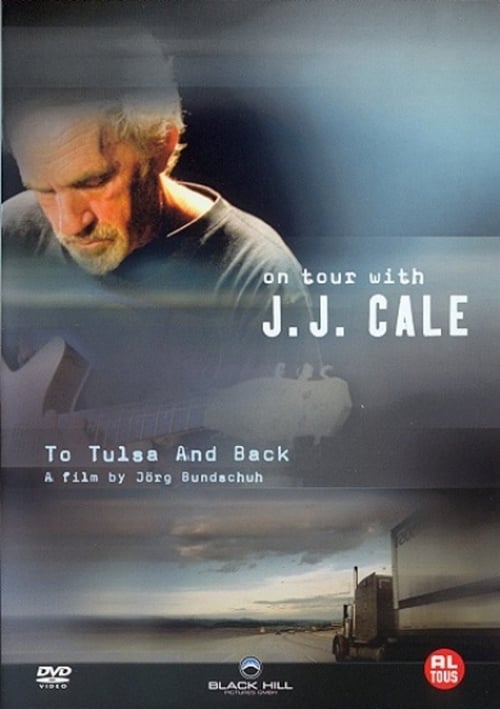
J. J. Cale: To Tulsa And Back (On Tour with J. J. Cale)
2006
No user ratings available yet
Representation score: 3.0 out of 10
Representation Score
Fair
2009
TV-14Director
Benjamin Whalley
Runtime
60 minutes
Average Rating
No ratings yetNew Showbiz Analysis
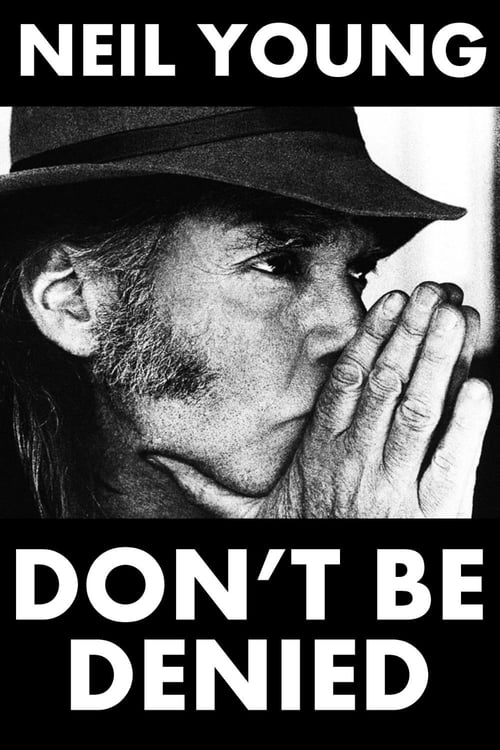
This biographical film prioritizes historical accuracy and musical legacy over challenging social norms. Its narrative structure follows a chronological timeline rather than deconstructing social hierarchies. While the film does not delve into multi-layered complexities, it offers a platform for social critique through Young's discography. It adheres to a traditional biographical format, documenting specific eras of the music industry without introducing contemporary progressive narratives. Ultimately, the film presents a straightforward account of Young's career without actively dismantling traditional hierarchies or exploring modern progressive themes.
Category Breakdown
The film does not focus on LGBTQ+ identities or non-cisgender narratives. It highlights Young's musical journey without emphasizing queer figures.
The documentary focuses on male-dominated spaces of 1960s and 70s rock. Women play minor roles and have limited ability to act.
Casting reflects the historical diversity of the music industry, capturing various collaborators from different backgrounds. The film stays true to the documented eras.
The film critiques institutional power through Young's history of political activism. Songs like 'Ohio' highlight traditions of questioning social structures.
The film does not focus on neurodivergence, physical disabilities, or mental health issues. The narrative centers on professional and creative achievements.
Present on Screen
Limited or Absent
Official Synopsis
This television special is a first for the reclusive singer with the BBC documentary gaining new interviews with Young, nine months apart in New York and California. The documentary also looks back over the singer's archives, with some never-seen-before material.
2006
2016

2019
2021

2006
2011
2025
2005
No reviews yet. Be the first to share your thoughts on this movie!
Use the rating form above to leave a star rating and optional review.