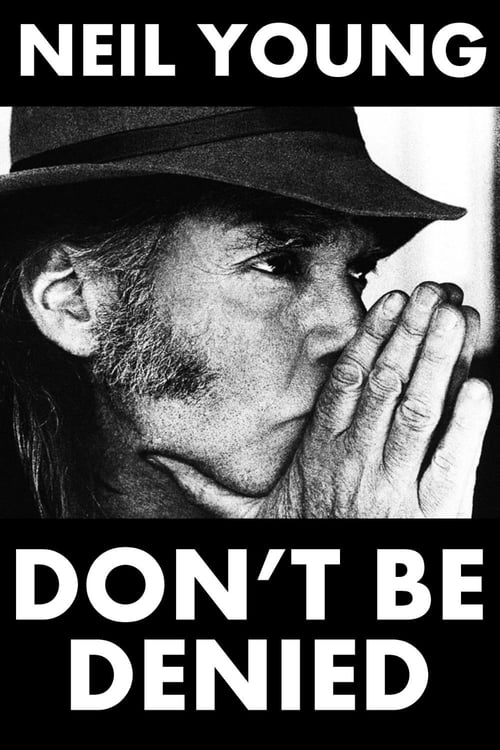
Neil Young: Don't Be Denied
2009
No user ratings available yet
Diversity score: 4.3 out of 10

2006
PGDirector
Jonathan Demme
Runtime
99 minutes
Average Rating
No ratings yetSynopsis
In March 2005, Neil Young was diagnosed with a brain aneurysm. Four days before he was scheduled for a lifesaving operation, he headed to Nashville, where he wrote and recorded the country folk album Prairie Wind with old friends and family members. After the successful operation and recovery period, he returned to Nashville that August to play at the famed Ryman Auditorium, once again gathering together friends and family for this special performance.
Overall Score
Fair
Category Breakdown
LGBTQ+ Representation
The film operates as a biographical observational piece. It does not center on non-cisnormative identities or explicitly critique heteronormativity as a primary narrative driver.
Gender Representation
The narrative focuses on the professional ecosystem of a touring musician. It avoids the 'competent male leader' trope by highlighting the subject's vulnerability following a medical crisis.
Racial & Ethnic Diversity
The documentary captures a broad demographic spectrum through live performances and fan interactions. It reflects the organic, heterogeneous reality of the music industry and its audience.
Religious & Cultural Diversity
The film emphasizes communal and familial connections during the Nashville recording process. This focus prioritizes human connection over formal, institutionalized success or traditional structures.
Disability Representation
The documentary provides a non-exploitative look at a major health crisis. It portrays the medical experience as a catalyst for creative renewal rather than using illness as a plot device.
Strengths
Areas for Improvement
AI Analysis
Jonathan Demme brings a pedigree of empathetic, intersectional storytelling to this musical documentary. The film avoids traditional, exclusionary tropes by favoring observational realism and human vulnerability over celebrity archetypes. The documentary succeeds in portraying a significant health crisis with agency, treating the subject's recovery as a personal journey rather than a spectacle. It captures the organic diversity of the music community through its depiction of audiences and collaborators. However, the film lacks an explicit focus on identity politics or the subversion of social hierarchies. While it avoids harmful stereotypes, it does not actively center marginalized identities or critique systemic structures.
2009
2015
2017

2019
2021
2014
2007

2018
2017
2016

2007

2003
No reviews yet. Be the first to share your thoughts on this movie!
Use the rating form above to leave a star rating and optional review.