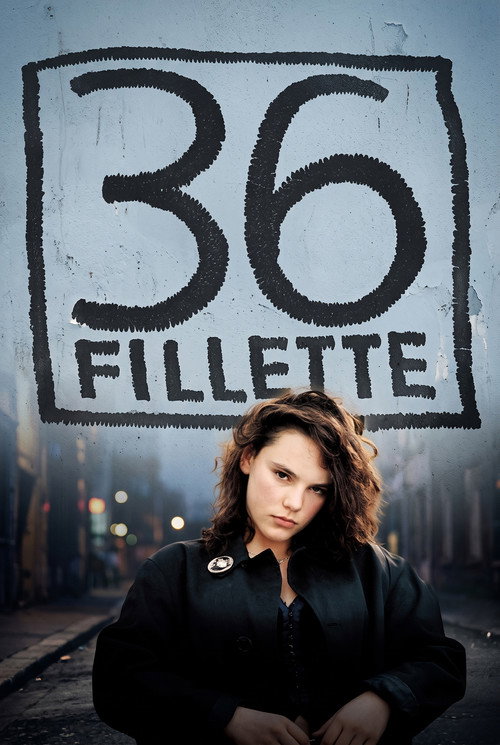
36 Fillette
1988
No user ratings available yet
Representation score: 4.7 out of 10
Representation Score
Fair
2001
Not RatedDirector
Catherine Breillat
Runtime
86 minutes
Average Rating
No ratings yetNew Showbiz Analysis
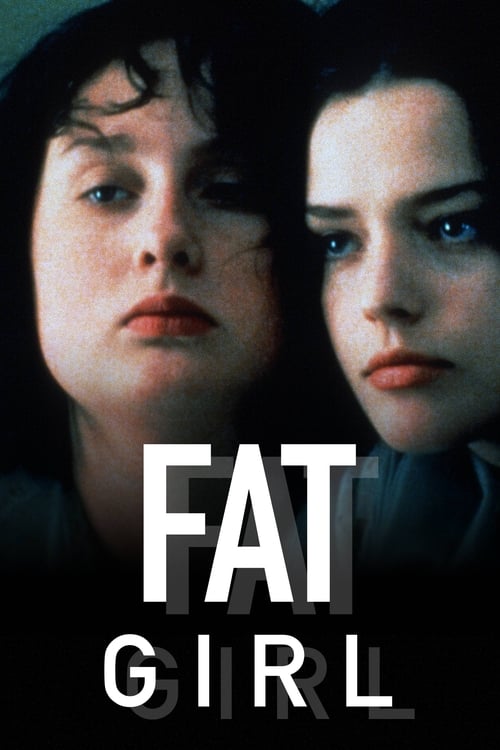
Fat Girl is a provocative reimagining of the coming-of-age genre. It stands out by replacing sentimental clichés with a clinical look at power dynamics and desire, especially through its subversion of gender expectations and assumptions about straight relationships. While the film excels in its nuanced exploration of queer theory and female independence, it remains confined to a narrow European social context due to a lack of racial and ethnic diversity. The homogeneous casting limits the narrative scope. Ultimately, the film's strength lies in its refusal to offer a clear moral guide, instead confronting viewers with the raw, often destructive, realities of adolescent identity and social conflict.
Category Breakdown
The film presents a complex portrayal of non-straight relationships, focusing on the intense and sometimes aggressive nature of teenage female intimacy and bodily autonomy. It avoids idealized clichés, emphasizing the reality of these experiences.
Breillat challenges traditional gender roles by highlighting female characters who take active, confrontational roles. These characters navigate sexual situations with a sense of independence and volatility, challenging typical views of femininity.
The cast is predominantly made up of actors from similar backgrounds, reflecting a specific French social environment. The story does not significantly feature characters from different racial or ethnic backgrounds.
The narrative critiques traditional institutions such as family and school by exploring identity through direct, often harsh, social interactions. It questions established norms through a lens of moral relativism.
The film does not prominently feature characters with visible or invisible disabilities. Therefore, there is no significant representation of characters with disabilities.
Present on Screen
Limited or Absent
Official Synopsis
Anaïs is twelve and bears the weight of the world on her shoulders. She watches her older sister, Elena, whom she both loves and hates. Elena is fifteen and devilishly beautiful. Neither more futile, nor more stupid than her younger sister, she cannot understand that she is merely an object of desire. And, as such, she can only be taken. Or had. Indeed, this is the subject: a girl's loss of virginity. And, that summer, it opens a door to tragedy.
1988

1967

2005

2004

2013
1980

2004

2023
No reviews yet. Be the first to share your thoughts on this movie!
Use the rating form above to leave a star rating and optional review.