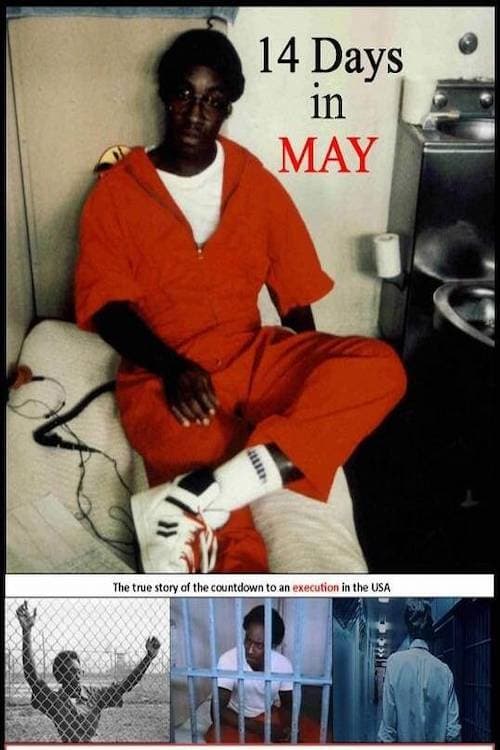
Fourteen Days in May
1987
No user ratings available yet
Representation score: 5.4 out of 10
Representation Score
Good
2015
PG-13Director
Christopher S. Rech, Brandon Kimber
Runtime
91 minutes
Average Rating
No ratings yetNew Showbiz Analysis
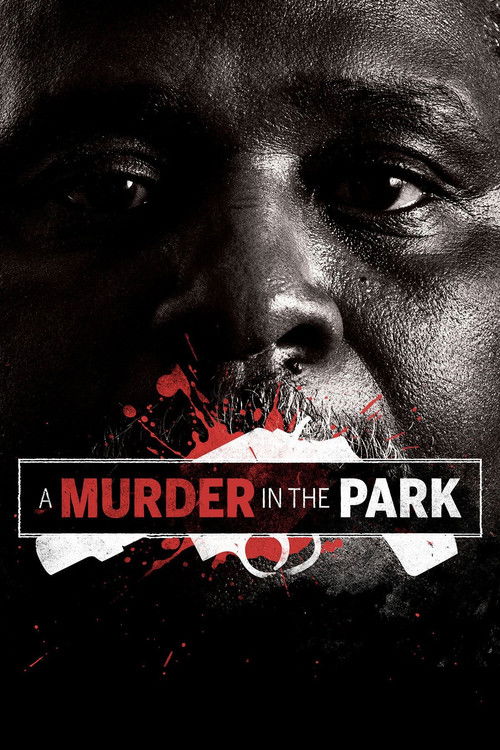
A Murder in the Park is a documentary that serves as a critique of institutional integrity. It shifts the focus from simple crime reporting to a deeper investigation of systemic failures and judicial errors. The film achieves its impact by challenging the perception of judicial certainty. It portrays the legal system as a fallible entity rather than an absolute source of truth, prompting viewers to question the relationship between individuals and the state. While the film lacks broad demographic representation, its thematic weight lies in its scrutiny of state power and the potential for wrongful convictions.
Category Breakdown
The documentary focuses on a specific criminal justice case and judicial process. There is no evidence of LGBTQ+ characters or narratives addressing the assumption that everyone is straight or cisgender.
The narrative prioritizes legal, journalistic, and criminal procedural elements. It lacks specific evidence regarding gendered power dynamics or the subversion of traditional gender hierarchies.
The film engages with the lived experiences of underrepresented individuals through the case of Anthony Porter. It touches on systemic racial disparities within the American legal system.
The film critiques the perceived infallibility of Western institutions. It challenges established legal authority by investigating the fallibility of the death penalty and state corruption.
There is no documented evidence regarding the portrayal of neurodivergence, physical disabilities, or mental health conditions within the film's narrative.
Present on Screen
Limited or Absent
Official Synopsis
Documentary filmmakers assert that Anthony Porter - a former death-row inmate who was spared the death penalty thanks to the efforts of a college journalism program - was actually guilty, and an innocent man was sent to prison.
1987
2015
2008
2012
2015
2012
2018
2015
No reviews yet. Be the first to share your thoughts on this movie!
Use the rating form above to leave a star rating and optional review.