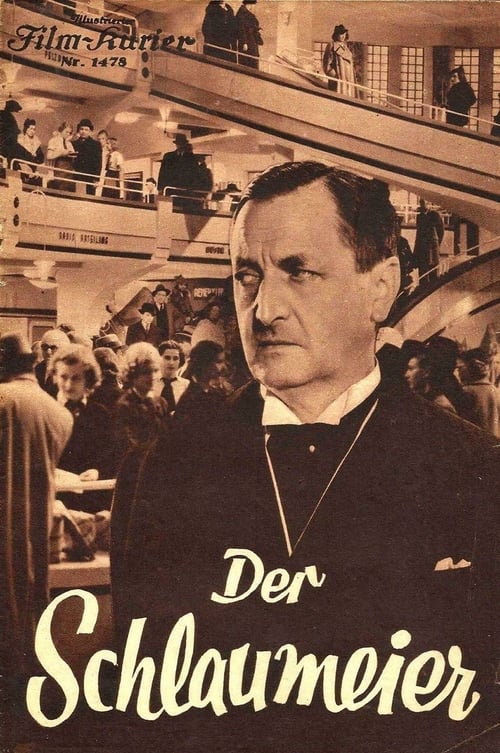
All for Veronica
1936
No user ratings available yet
Representation score: 1.0 out of 10
No Poster Available
Representation Score
Minimal
1933
PassedDirector
Louis King
Runtime
73 minutes
Average Rating
No ratings yetNew Showbiz Analysis
Una viuda romántica is a 1933 Spanish-language romantic comedy that adheres closely to the cinematic conventions of its era. The film lacks specific details about character development or identity-based subversion, indicating a focus on traditional courtship. The production likely reflects the social hierarchies and demographic homogeneity typical of early 20th-century regional filmmaking. Without evidence of diverse casting or unconventional character's ability to drive the story, the work functions as a standard period piece. Ultimately, the film serves as a reflection of its time, prioritizing established romantic structures over social critique or diverse representation.
Category Breakdown
The film does not include any characters with non-straight identities. Given its 1933 release date, such depictions would have been unlikely due to the social norms and censorship of the time.
As a romantic comedy, the story likely focuses on courtship. While the title suggests a female lead, it is unclear if she has significant control over her story or follows traditional domestic roles.
The film likely reflects the homogeneous demographics typical of early 20th-century regional cinema. There is no evidence of multicultural integration or diverse casting.
The narrative appears to operate within a traditional framework. It likely upholds the social stability and romantic ideals common during the early 1930s.
There is no information available regarding the inclusion of characters with visible or invisible disabilities.
Present on Screen
Limited or Absent
Official Synopsis
1933 Spanish language film.
1936

1938
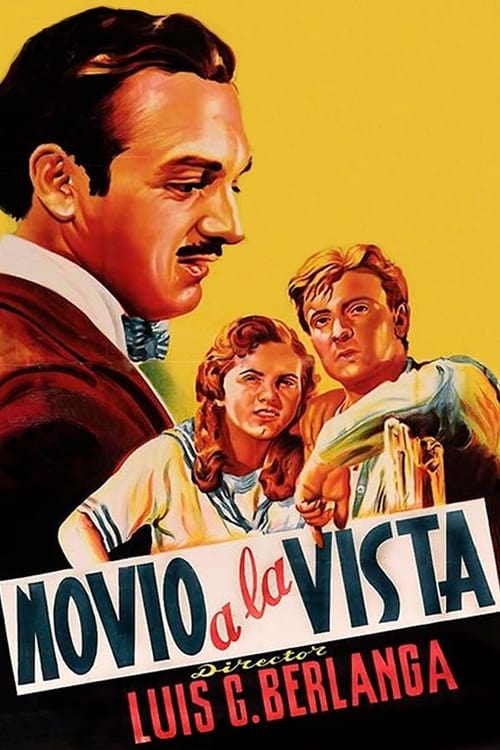
1954
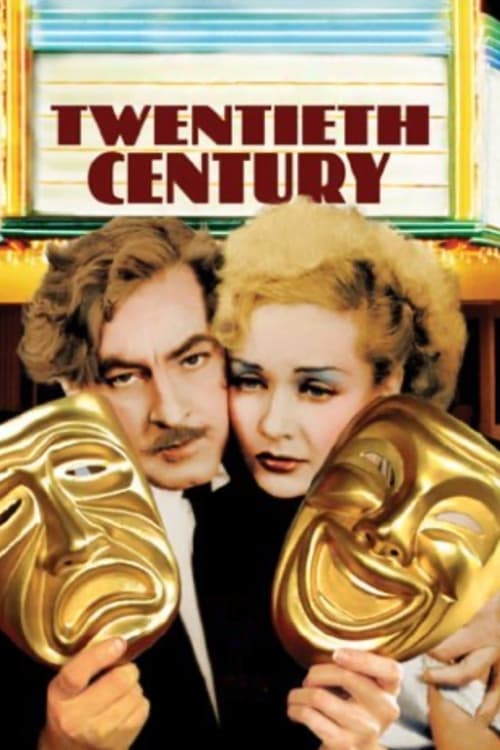
1934
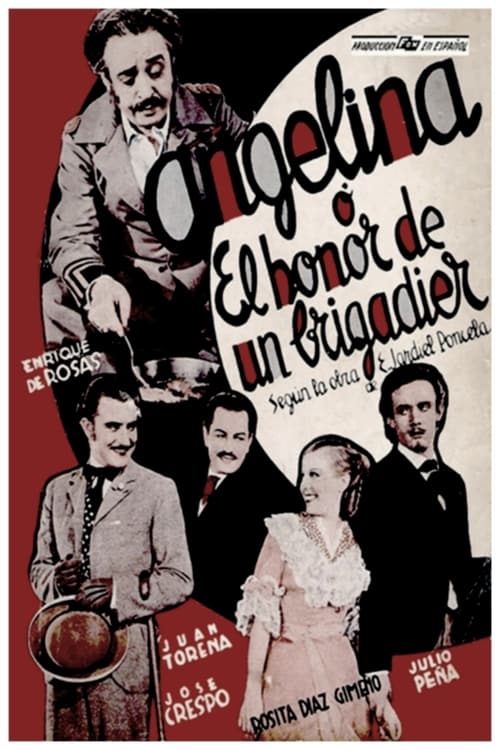
1935

1929
1929

1962
No reviews yet. Be the first to share your thoughts on this movie!
Use the rating form above to leave a star rating and optional review.