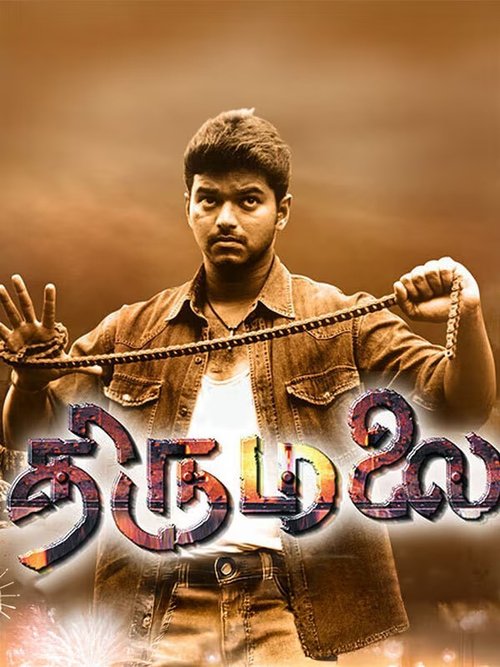
Thirumalai
2003
No user ratings available yet
Representation score: 3.0 out of 10
Representation Score
Limited
2005
Not RatedDirector
Shafi
Runtime
143 minutes
Average Rating
No ratings yetNew Showbiz Analysis
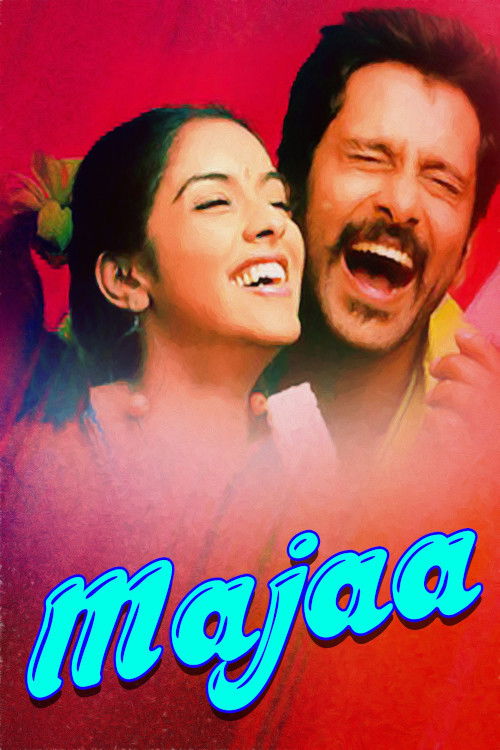
Majaa functions as a traditional commercial entertainer, emphasizing established genre conventions and cultural norms. The narrative structure centers on regional storytelling through the lens of social hierarchy and family honor. While the film offers an authentic glimpse into South Indian rural life and social dynamics, it does not challenge existing power structures. Character interactions often rely on traditional patriarchal clichés and conventional romantic arcs. Overall, the film upholds traditional social and gender hierarchies without presenting subversive or diverse perspectives.
Category Breakdown
The film does not include any LGBTQ+ characters or stories. The love story follows a typical path between the male lead and the female lead, reinforcing traditional heterosexual relationships.
Seetha Lakshmi has a strong role but is mainly defined by her relationship to her father. The protagonist's actions reinforce traditional gender roles.
The cast is made up of actors from similar ethnic backgrounds, focusing on South Indian culture. It highlights local social structures and rural life rather than global diversity.
The story is grounded in traditional social and religious customs. The focus on the mangalsutram symbolizes a commitment to conventional marriage and religious practices.
There are no characters with disabilities, visible or invisible. There are no characters described as having neurodivergent traits or physical impairments.
Present on Screen
Limited or Absent
Official Synopsis
Govindan (Manivannan) is a thief who has two children. Aadhi (Pasupathy) and Mathi ('Chiyaan' Vikram). Years go by and the two, Aadhi and Madhi, decide to stop stealing and mend their ways and lead a hardworking life along with their father. They migrate to neighboring village and meet a retired agricultural officer, Chidambaram (Vijaya Kumar) who is in deep debts and is under pressure from the village's landlord, Kalingarayar (Murali) to clear his debts. In efforts to help Chidambaran, Mathi confronts Seetha Lakshmi (Asin), Kalingarayar's daughter, who comes to collect the money Chidambaram owes her father. Seetha Lakshmi starts to acquire a liking for Mathi but keeps it hidden due to her father's atrocious temper. In an attempt to teach Kalingarayar a lesson, Mathi forcibly ties the mangalsutram around Seetha's neck. Kalingarayar, realizing his daughter's love for Mathi...
2003
2018

2015
1999

2010

2003
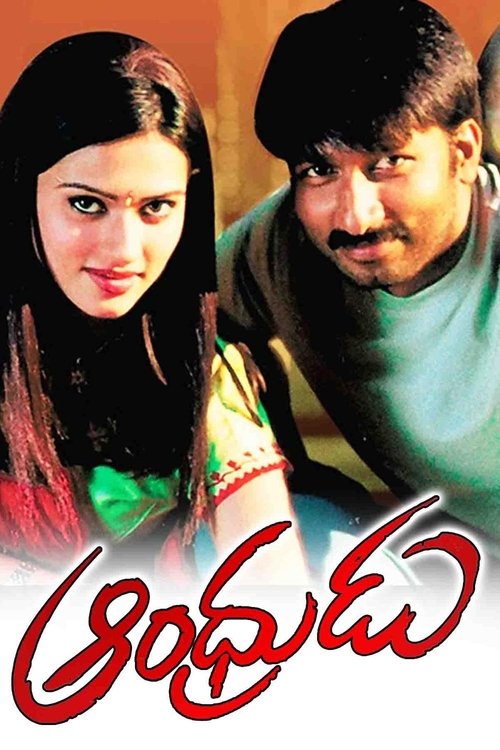
2005

2007
No reviews yet. Be the first to share your thoughts on this movie!
Use the rating form above to leave a star rating and optional review.