
Fashion
2008
No user ratings available yet
Representation score: 8.1 out of 10
Representation Score
Limited
2007
Not RatedDirector
Mani Ratnam
Runtime
166 minutes
Average Rating
No ratings yetNew Showbiz Analysis
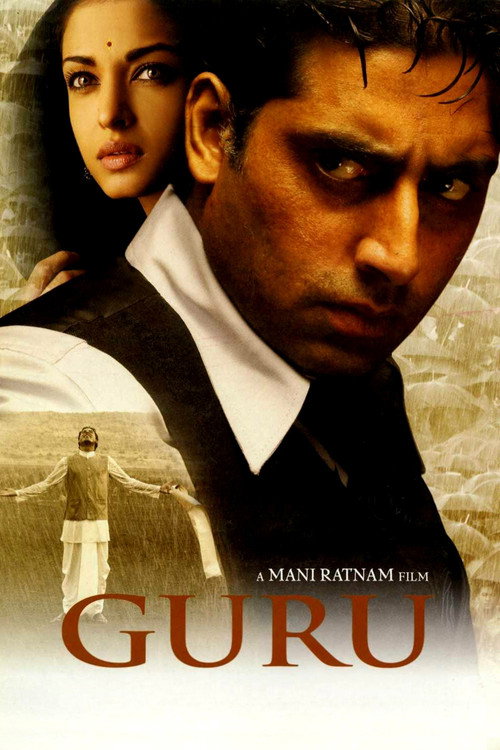
Guru is a sweeping biographical drama that finds its greatest strength in its post-colonial perspective. By centering the rise of an Indian tycoon, the film challenges historical expectations of Western economic dominance and celebrates national self-reliance. However, the film remains socially conservative regarding personal relationships. The narrative prioritizes the male protagonist's professional success, relegating women to the domestic sphere and reinforcing traditional gender divisions. Ultimately, the film's progressive edge lies in its critique of stagnant bureaucratic systems and the exploration of situational ethics in the pursuit of industrial advancement.
Category Breakdown
The film focuses solely on heterosexual relationships and traditional family structures. There are no representations of non-straight identities or narratives that question the assumption that everyone is straight.
Gender roles follow traditional domestic hierarchies. Sujata serves as an emotional support for the protagonist, but her role is limited to being a supportive spouse rather than having her own independent influence.
The film highlights the empowerment of indigenous communities by focusing on an Indian entrepreneur navigating the post-colonial world. It showcases the reclaiming of economic power by local actors against Western industrial dominance.
The narrative criticizes established state institutions and portrays bureaucracy as a corrupt force. It promotes moral flexibility, presenting the circumvention of strict legal norms as necessary for progress.
There are no prominent depictions of visible or invisible disabilities that drive the narrative or affect character independence.
Present on Screen
Limited or Absent
Official Synopsis
A villager, Gurukant Desai, arrives in Bombay in 1958, and rises from its streets to become the biggest tycoon in India.
2008
2013
2019
2004

2004

2015

2011

2010
No reviews yet. Be the first to share your thoughts on this movie!
Use the rating form above to leave a star rating and optional review.