Therapeutic Pink
1977
No user ratings available yet
Representation score: 4.2 out of 10
Representation Score
Limited
2002
Director
Jesse Rosensweet
Runtime
8 minutes
Average Rating
No ratings yetNew Showbiz Analysis
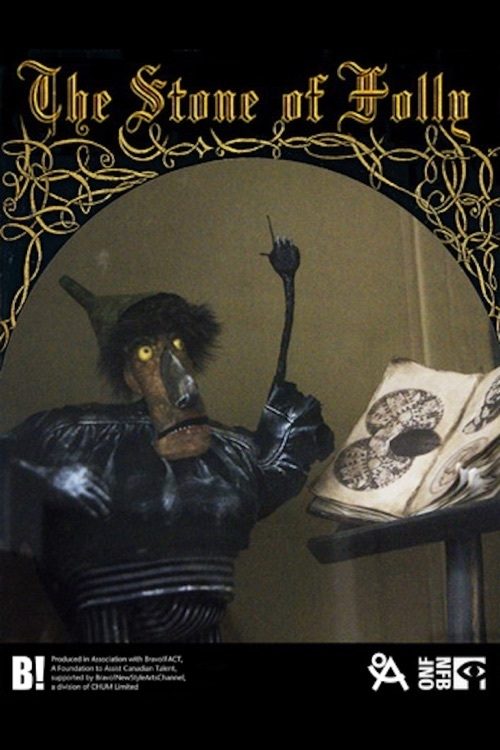
The Stone of Folly focuses on the historical practice of treating mental health issues by removing stones from the brain. Although the subject matter touches on neurodivergence, the film lacks specific character arcs or demographic data to confirm meaningful representation. The film's strength lies in its potential to critique systemic failures within historical medical institutions. However, without clear evidence of diverse casting or characters who reflect more than one aspect of diversity, the film remains a narrow historical study. Ultimately, the film's impact on diversity is hard to assess. It provides a starting point for discussing mental health, but lacks the detailed character development needed for a higher diversity rating.
Category Breakdown
The film does not include any LGBTQ+ identities or narratives that question the assumption that everyone is straight or cisgender.
The film does not provide information about gender roles or the relationship between male and female characters.
Set in a medieval context, the film appears Eurocentric, but there is no confirmation of racial makeup or race-bent casting.
The story critiques historical medical practices in a medieval hospital, focusing on the subjective nature of sanity.
The film deals with mental health and 'madness,' but it is unclear if the characters have significant control over their situations or are shown in a nuanced way.
Present on Screen
Limited or Absent
Official Synopsis
In a medieval hospital, madness is treated by removing stones from the brain.
1977
2011
2003
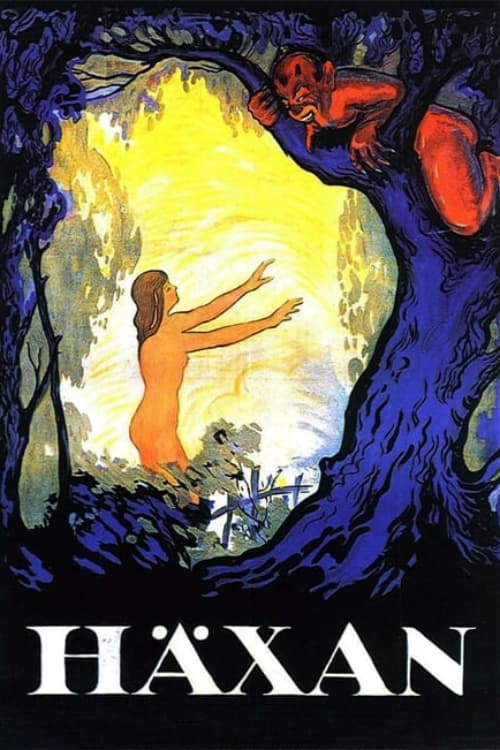
1922
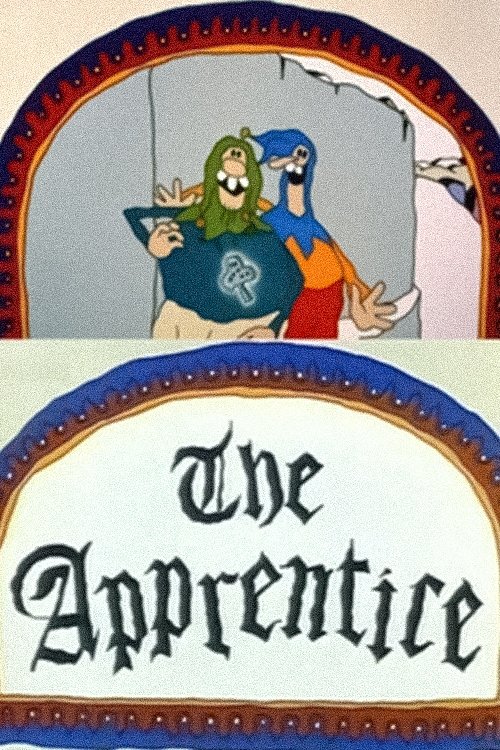
1991
1994
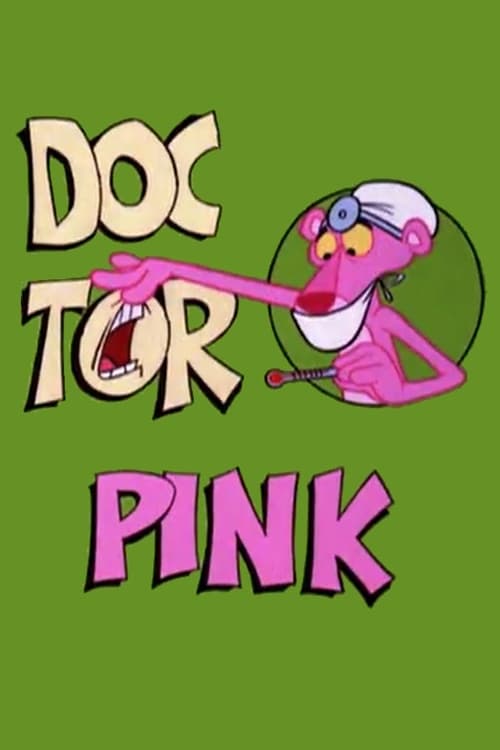
1979
1981
No reviews yet. Be the first to share your thoughts on this movie!
Use the rating form above to leave a star rating and optional review.