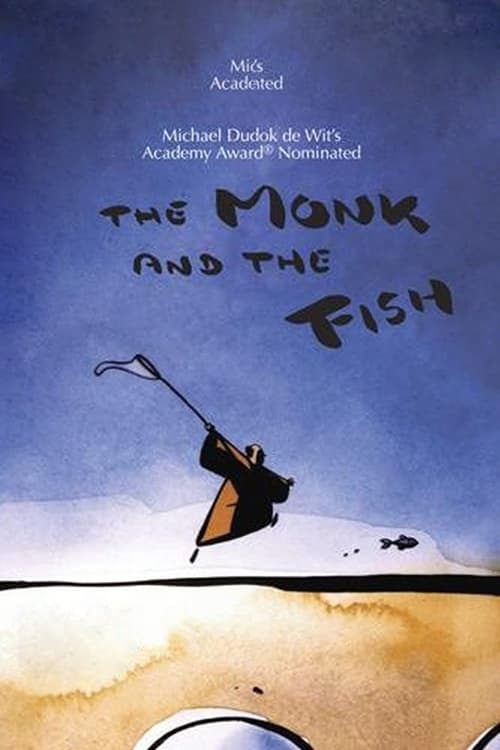
The Monk and the Fish
1994
No user ratings available yet
Representation score: 4.4 out of 10
Representation Score
Limited
1991
Director
Richard Condie
Runtime
9 minutes
Average Rating
No ratings yetNew Showbiz Analysis
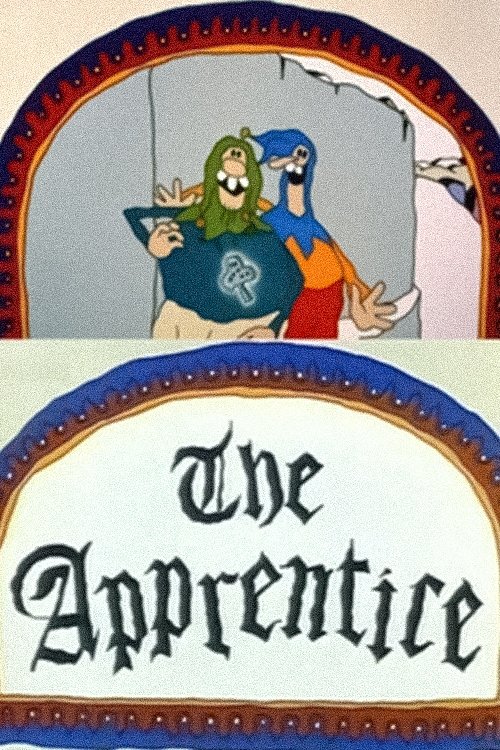
The Apprentice is a minimalist, absurdist animation that prioritizes surreal expression over social commentary. Its focus remains entirely on existential slapstick and the cyclical nature of struggle. Since the characters are non-humanoid clay figures, the film lacks the visual framework to represent specific racial, ethnic, or gendered identities. This abstraction results in a narrative that exists outside of traditional social hierarchies. Ultimately, the film’s low diversity score stems from its lack of intentionality regarding identity-based narratives. It explores physical frustration through a comedic lens rather than through the lens of disability or neurodivergence.
Category Breakdown
The film does not include any characters or storylines related to sexual orientation or gender identity. The abstract claymation style prevents any specific depiction of non-straight relationships.
Gender roles are not relevant to the plot since the characters are non-humanoid and abstract, avoiding traditional gender hierarchies.
Highly stylized clay figures lack clear racial or ethnic markers. While this avoids stereotypes, the film does not intentionally include diverse identities.
The narrative focuses on surreal comedy and absurdist experiences, avoiding critiques of Western institutions, capitalism, or organized religion.
Physical dysfunction, such as a nose stuck in the ground, serves as a comedic device. This functions as slapstick rather than a nuanced portrayal of disability.
Present on Screen
Limited or Absent
Official Synopsis
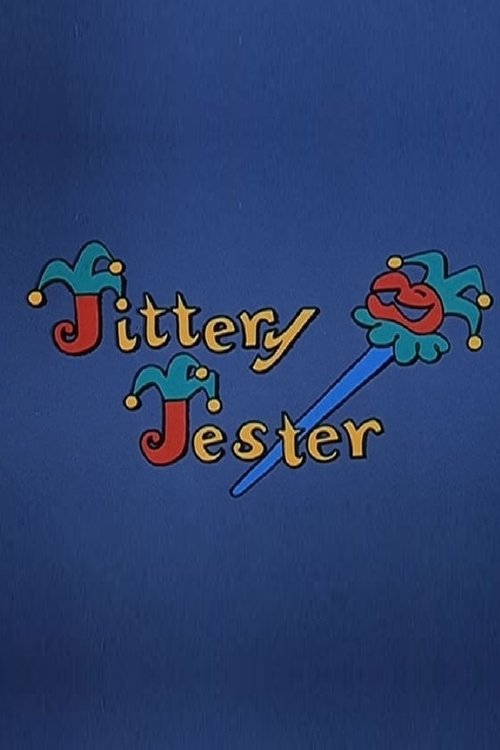
Medieval times. A jester is heading to the castle, but can't help running into a fruit tree in his path. Again and again. After a while, he lands nose-down and when he gets up, his nose remains stuck in the ground. He gives up, and we see that "wise" people aren't faring much better. He returns to his master, who gives him a replacement nose and sets off on an easier path.
1994
1980
1996
1968
1958
1963
1963
1965
No reviews yet. Be the first to share your thoughts on this movie!
Use the rating form above to leave a star rating and optional review.