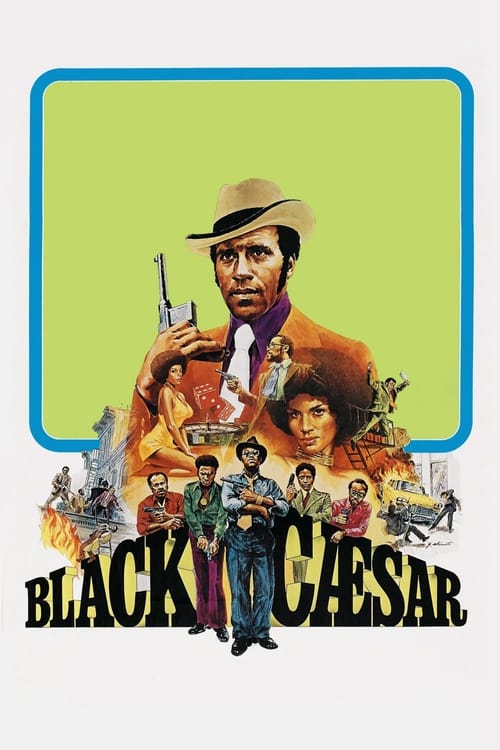
Black Caesar
1973
No user ratings available yet
Representation score: 3.2 out of 10

Representation Score
Limited
1973
RDirector
Larry Cohen
Runtime
95 minutes
Average Rating
No ratings yetNew Showbiz Analysis
Hell Up In Harlem succeeds as a culturally specific disruption of 1970s cinema by centering Black ability to act and identity. It avoids the whitewashing common in mainstream films of the era, instead utilizing the Harlem setting to explore racial power dynamics. However, the film adheres to rigid genre hierarchies regarding gender. While the racial and cultural critiques are sharp, the female characters remain secondary, functioning mostly as objects to be rescued rather than independent actors. Ultimately, the film is a study in systemic friction. It trades traditional institutional trust for a gritty, localized perspective on urban survival and social hierarchy.
Category Breakdown
The film lacks identifiable LGBTQ+ characters or narratives. The story focuses strictly on the protagonist and his immediate social circle within a crime genre framework.
The narrative is driven by masculine action and physical ability to act. Female characters, such as the kidnapped ex-wife, serve primarily as plot catalysts rather than autonomous drivers.
As a Blaxploitation era work, the film centers the Black experience in Harlem. It provides a platform for Black protagonists to navigate and challenge systemic power structures.
The film critiques traditional institutions by depicting police and legal systems as corrupt. It frames vigilantism as a necessary response to systemic failure and institutional inequity.
There are no prominent depictions of visible or invisible disabilities. No such traits serve as central drivers for the characters or the narrative.
Present on Screen
Limited or Absent
Official Synopsis
A Harlem gangster must rescue his ex-wife, who's been kidnapped by the Mafia.
1973

1972

1982
1972
1972

1973

1982

1988
No reviews yet. Be the first to share your thoughts on this movie!
Use the rating form above to leave a star rating and optional review.