
True Stories
1986
No user ratings available yet
Representation score: 6.6 out of 10
Representation Score
Limited
1987
PGDirector
Woody Allen
Runtime
89 minutes
Average Rating
No ratings yetNew Showbiz Analysis
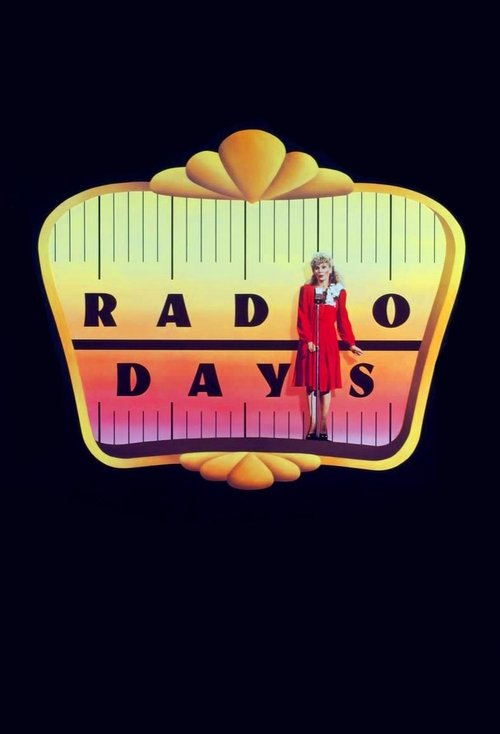
Radio Days is a masterful atmospheric reconstruction of the Golden Age of broadcasting. It captures the sensory experience and the unifying power of radio in mid-century America. However, the film primarily serves as a nostalgic look at the past, reinforcing rather than challenging historical hierarchies. The narrative emphasizes nostalgia, resulting in limited representation for underrepresented groups. Overall, the film reflects the social and racial status quo of the 1940s. While it avoids overt harmful stereotypes, it offers little diversity in terms of gender, race, or identity.
Category Breakdown
The film does not include any LGBTQ+ characters or non-straight relationships. The social environment aligns with the strict straight-centered standards of the 1940s, with no underlying subtext.
Women appear mainly in familial roles or as radio personalities, conforming to traditional mid-century roles. The narrative lacks strong female characters who can challenge the patriarchal order.
The story focuses on a predominantly white, middle-class New York City. It reflects the historical exclusion of underrepresented groups from mainstream media.
The film celebrates Western media institutions and the traditional family unit through a nostalgic lens. It does not offer any critical views or moral relativism.
The film does not highlight neurodivergence or physical disabilities. Characters are shown as having typical physical and cognitive abilities.
Present on Screen
Limited or Absent
Official Synopsis
The Narrator tells us how the radio influenced his childhood in the days before TV. In the New York City of the late 1930s to the New Year's Eve 1944, this coming-of-age tale mixes the narrator's experiences with contemporary anecdotes and urban legends of the radio stars.
1986
1975
1999
1981
1997
1994
2006
1944
No reviews yet. Be the first to share your thoughts on this movie!
Use the rating form above to leave a star rating and optional review.