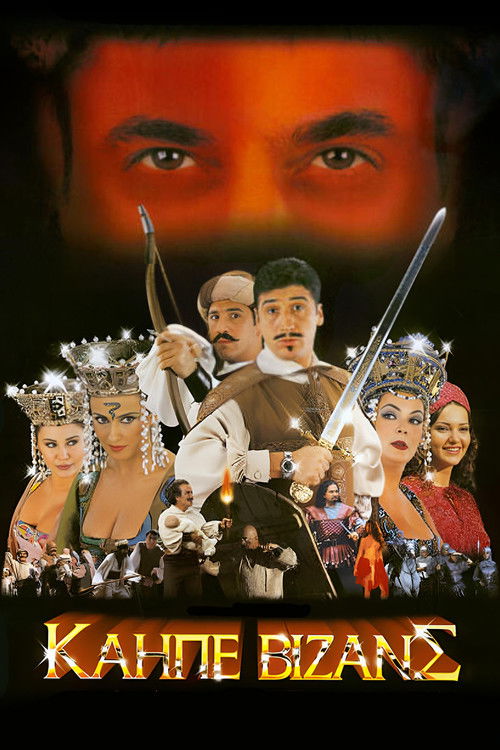
Perfidious Byzantine
2000
No user ratings available yet
Representation score: 5.0 out of 10

Representation Score
Good
1986
Director
György Révész
Runtime
89 minutes
Average Rating
No ratings yetNew Showbiz Analysis
Miklós Akli serves as a historical satire that dismantles traditional power structures. By using the jester archetype, the film critiques the stability of the imperial court and the monarchy. While the film effectively employs satire to challenge cultural norms, it remains confined by its historical context. Explicit demographic diversity is limited, as the narrative emphasizes the social role of a single outsider within a strict historical framework. Ultimately, the film's strength lies in its critique of centralized power rather than broad representation of underrepresented identities.
Category Breakdown
The film does not include any explicit LGBTQ+ characters or identities that challenge the assumption that everyone is straight or cisgender. The 19th-century setting suggests these identities may be absent from the main storyline.
The story revolves around a male jester who defies traditional social roles. Through satire, the film targets masculine authority, particularly the Emperor, challenging conventional views of male leadership.
The cast likely mirrors the ethnic makeup of early 19th-century Austro-Hungary. Although the jester embodies an outsider status, there is no clear indication of multi-ethnic interactions.
Satire is employed to question the sanctity of Western institutions and monarchy. By focusing on a jester, the film critiques the corruption and absolute power of centralized authority.
The jester character often overlaps with portrayals of neurodivergence or physical eccentricity. However, it is unclear whether these traits are used to give the character's ability to drive the story or simply as plot devices.
Present on Screen
Limited or Absent
Official Synopsis
The hero of the story that takes place at the beginning of the nineteenth century and recalls real historical personages is Akli Miklós, the court jester of Emperor Ferenc.
2000

1971
1959
2018
1955
1958
1971
1970
No reviews yet. Be the first to share your thoughts on this movie!
Use the rating form above to leave a star rating and optional review.