
Jack the Ripper
1976
No user ratings available yet
Representation score: 3.3 out of 10

Representation Score
Limited
2016
TV-MADirector
Wanly Florexile
Average Rating
No ratings yetNew Showbiz Analysis
Brooklyn Fever follows a dark, trauma-driven arc where a victim of childhood abuse evolves into a violent predator. The film relies heavily on the psychological thriller genre, focusing on individual pathology and the 'trauma-to-villain' cliché. While the story touches on the failure of the family unit and the impact of addiction, it lacks depth in exploring systemic or identity-related issues. The narrative prioritizes nihilism and violence over a meaningful social commentary. Ultimately, the film functions as a character study of a killer rather than a diverse or progressive social commentary.
Category Breakdown
The film does not include any explicit portrayals of LGBTQ+ characters or non-straight identities. The storyline revolves around a cycle of trauma and targeted violence without any queer-themed elements.
The story centers on a male protagonist driven by childhood trauma. While it delves into psychological instability, the conflict involves a man exerting violence against women, adhering to traditional gender clichés.
The available information provides no details regarding the racial or ethnic composition of the cast or setting. No assessment of racial diversity can be made.
The film critiques the breakdown of the nuclear family and systemic dysfunction through drug addiction. However, it emphasizes nihilism more than a structured sociological critique.
The narrative addresses the long-term psychological consequences of childhood abuse and neglect. However, mental health struggles appear to serve mainly as a plot device for thriller clichés rather than nuanced representation.
Present on Screen
Limited or Absent
Official Synopsis
Kevin a young boy abused by his drug addicted parents and teased heavily at school develops a passion for killing as an adult. Armed with a knife and a hatred toward prostitutes in particular, Its now his turn to make others cry.
1976

1980

2024

1992

2017

2017
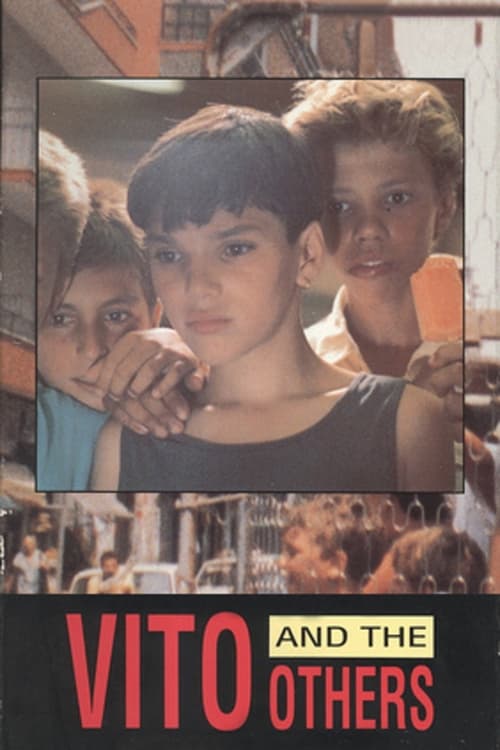
1991

2009
No reviews yet. Be the first to share your thoughts on this movie!
Use the rating form above to leave a star rating and optional review.