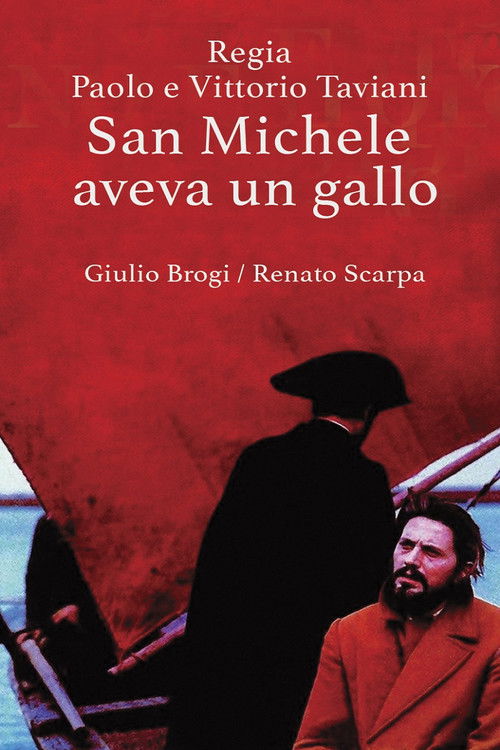
St. Michael Had a Rooster
1972
No user ratings available yet
Representation score: 7.0 out of 10
Representation Score
Excellent
2025
Director
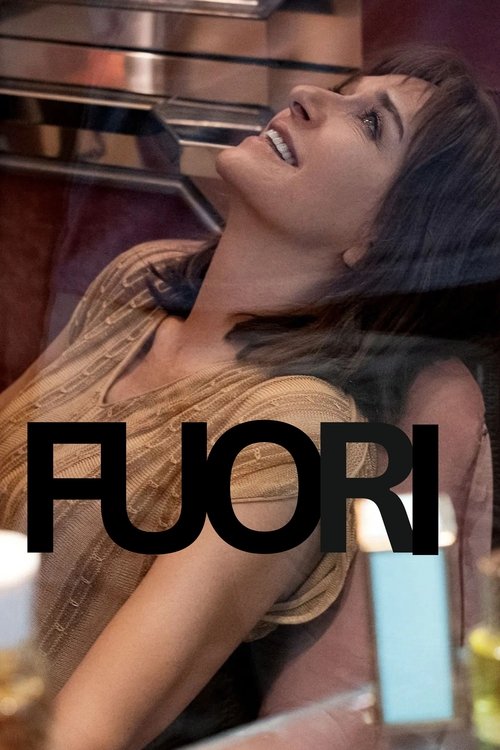
Mario Martone
Runtime
117 minutes
Average Rating
No ratings yetNew Showbiz Analysis
Fuori is a character-driven drama that finds its strength in the subversion of social hierarchies. By centering on Goliarda Sapienza’s descent from a respected writer to an incarcerated individual, the film uses women's ability to drive the story to challenge the literary and legal establishments of 1980s Italy. The film excels at portraying complex female solidarity and non-traditional intimacy. It moves beyond passive characterizations by placing women—from revolutionaries to sex workers—at the heart of the narrative's emotional and thematic development. However, the film's focus on internal Italian social structures leaves questions regarding racial diversity and the specific representation of disability. While it captures the fringes of society, the depth of representation for these specific identities remains unconfirmed.
Category Breakdown
The film highlights transformative female intimacy through a life-changing relationship between the protagonist and women she meets. This focus on non-straight relationships disrupts traditional romantic clichés.
Centering on a female intellectual's defiance of patriarchal systems, the film dismantles clichés of female respectability. An ensemble of women, including revolutionaries and sex workers, drives the emotional core.
Set in 1980s Rome, the story explores Italian social stratifications and class. While it includes diverse social identities like sex workers, specific non-white representation is not detailed.
The narrative challenges Western institutions by framing the protagonist's rebellion as a response to systemic oppression. It prioritizes the lived experiences of those on the fringes of society.
The presence of junkies suggests a focus on social exclusion. However, it is unclear if characters possess specific ability to act regarding neurodivergence or chronic illness.
Present on Screen
Limited or Absent
Official Synopsis
Rome. The 1980s. After the magnum opus The Art of Joy she has been working on for a decade is rejected by the Italian publishing world, writer Goliarda Sapienza commits a desperate theft that costs her her reputation and social position. Incarcerated in Italy’s largest female prison, she finds herself living alongside thieves, junkies, sex workers and revolutionaries. After her release, she continues to meet with these women and over the course of a sweltering summer, a life-changing relationship flowers – a relationship that will reawaken her the desire to live and to write.
1972
2023
2022
2008
2016

2021
2002
2020
No reviews yet. Be the first to share your thoughts on this movie!
Use the rating form above to leave a star rating and optional review.