How to Grow Thin
1922
No user ratings available yet
Diversity score: 1.6 out of 10
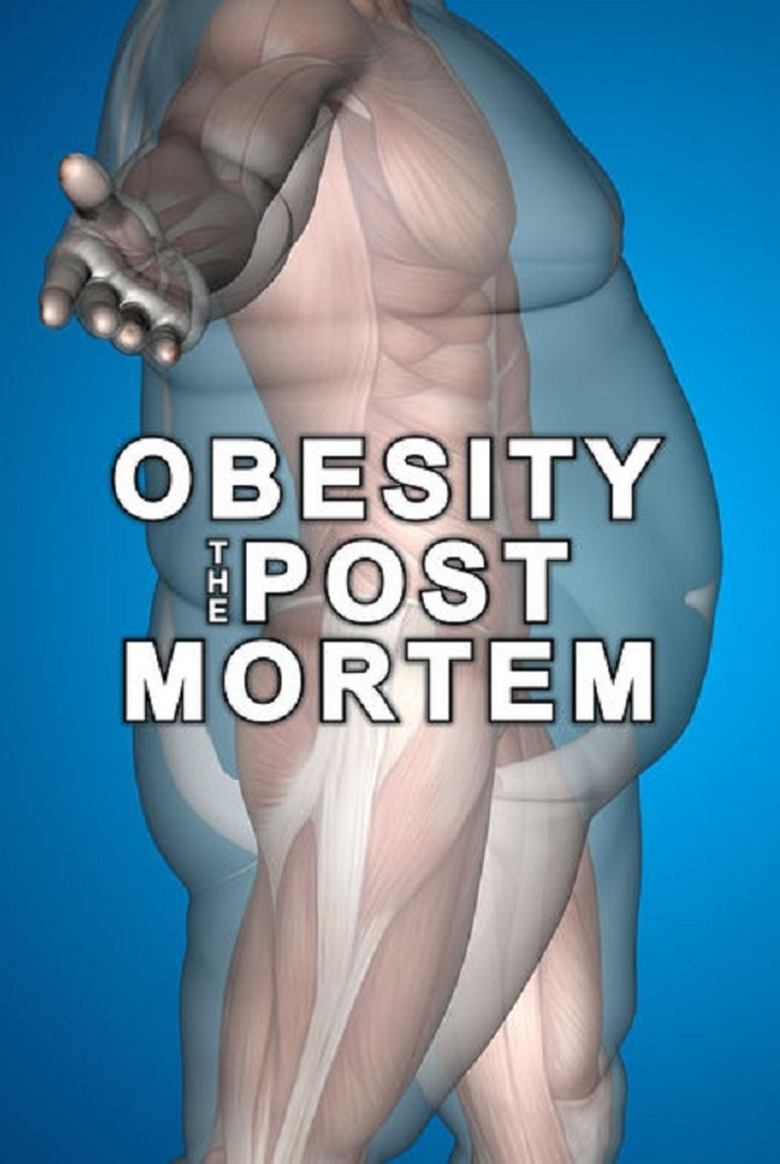
2016
Director
Satiyesh Manoharajah, Melanie Archer
Runtime
55 minutes
Average Rating
No ratings yetSynopsis
Documentary revealing just how dangerous too much fat is to our most vital internal organs. The programme follows a specialist pathology team as they conduct a post-mortem on the body of a 17-stone woman whose body was donated to medical science. Their findings, as they dissect the body and its organs, are startling, exposing the devastating impact of obesity with stunning visuals and fascinating medical facts. Morbid obesity reduces life expectancy by an average of nine years and is blamed for over 30,000 deaths in the UK every year. With 65 per cent of people already overweight or obese, this extraordinary film is a powerful contribution to the debate about fat, food, lifestyle and how the health service will cope with the growing obesity crisis.
Overall Score
Limited
Category Breakdown
LGBTQ+ Representation
The film is a clinical medical documentary focused on pathology. It contains no evidence of LGBTQ+ characters or narratives addressing non-cisnormative identities.
Gender Representation
The narrative centers on the body of a 17-stone female subject. It functions as a biological study rather than a critique of gendered social dynamics.
Racial & Ethnic Diversity
The documentary focuses on a singular medical case study within a UK context. There is no indication of a diverse cast or specific racial intersections.
Religious & Cultural Diversity
The film aligns with Western medical and scientific institutions. It prioritizes empirical data and public health standards over the exploration of diverse cultural frameworks.
Disability Representation
The film engages with the physical realities of morbid obesity. However, the portrayal is clinical and post-mortem, lacking the active agency of a lived experience.
Strengths
Areas for Improvement
AI Analysis
Obesity: The Post Mortem is a specialized medical documentary that prioritizes biological reality over social identity. Its primary goal is the dissemination of clinical facts regarding the physiological impact of obesity through a post-mortem examination. Because the film operates within a strict scientific and institutional framework, it lacks the narrative architecture required for meaningful social representation. It does not seek to subvert cultural norms or explore intersectional identities, focusing instead on the anatomical consequences of a health crisis. Ultimately, the film is a study of pathology rather than a study of people. While it addresses a significant public health issue, it does so through a lens of clinical observation that bypasses traditional diversity metrics.
1922
2006

2006

2014

2014
2019
2009
2008
2014
2017
2008

2020
No reviews yet. Be the first to share your thoughts on this movie!
Use the rating form above to leave a star rating and optional review.