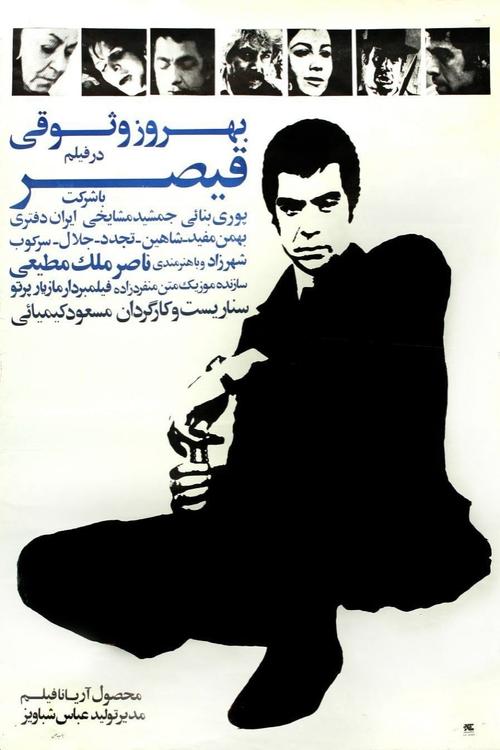
Qeysar
1969
No user ratings available yet
Representation score: 2.6 out of 10
Representation Score
Minimal
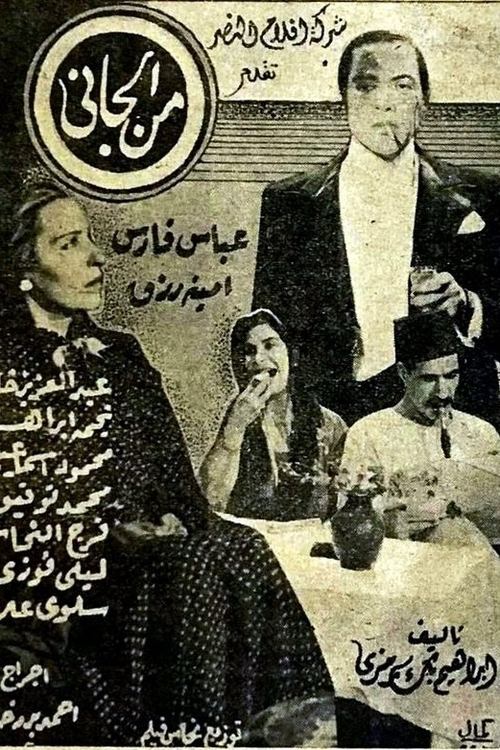
1944
Director
Ahmad Badrakhan
Runtime
97 minutes
Average Rating
No ratings yetNew Showbiz Analysis
Who's Done it? is a traditional crime drama focused on inheritance, legitimacy, and the disruption of familial lineage. The story uses a foundling cliché to explore deception and the consequences of moral failings within a patriarchal framework. The film prioritizes melodrama and vengeance over broader social critiques. While it delves into class-based conflicts over a Pasha's wealth, it remains within the bounds of mid-20th-century dramatic conventions. Ultimately, the work lacks complexity in reflecting multiple aspects of identity. It serves as a study of individual deception rather than a challenge to the social hierarchies of the era.
Category Breakdown
The film does not include any characters with non-straight sexual orientations or non-cisgender identities. The story revolves around traditional marriage and family structures.
A woman uses tactical deception to secure an inheritance, showcasing her ability to drive the story within domestic settings. However, her actions are limited to maintaining patriarchal lineage.
The film likely reflects the local demographics of its 1944 production context. There is no indication of challenging ethnic hierarchies.
The narrative centers on established social institutions such as family honor and traditional justice. It does not provide a critique of these frameworks.
Neither visible nor invisible disabilities are portrayed as central to the character arcs or the progression of the plot.
Present on Screen
Limited or Absent
Official Synopsis
Before his death, Mansour Pasha writes over his wealth to his two sons Omar and Othman; as the latter drowns, his wife gets a boy and claims he is Othman's son to ensure her share in the inheritance. When the boy grows older, he befriends Rashad, Omar's son, and gates of hell and vengeance open.
1969

1960
1946
1950
1961

1958
1950
1949
No reviews yet. Be the first to share your thoughts on this movie!
Use the rating form above to leave a star rating and optional review.