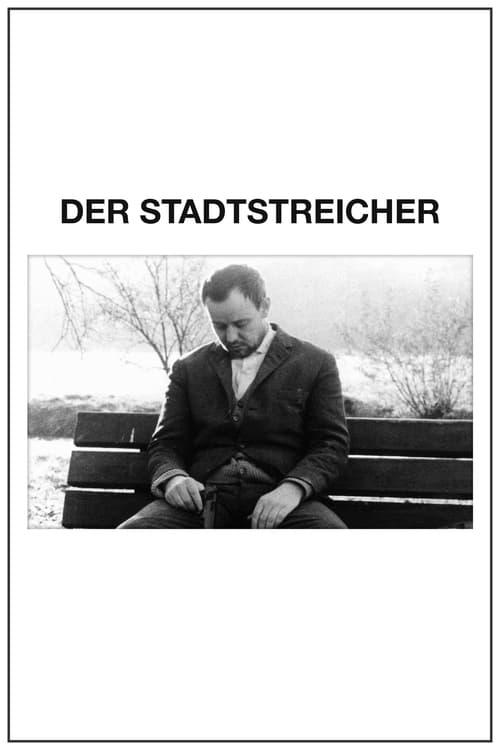
The City Tramp
1966
No user ratings available yet
Representation score: 7.7 out of 10
Representation Score
Fair
1969
Not RatedDirector
Marco Ferreri
Runtime
95 minutes
Average Rating
No ratings yetNew Showbiz Analysis
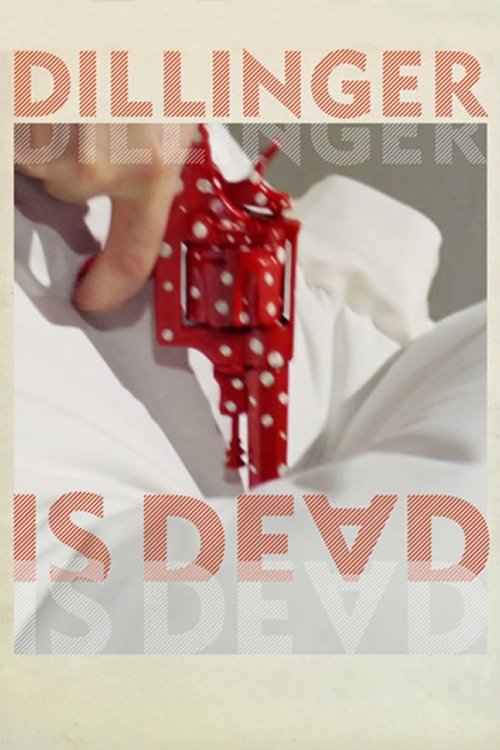
Dillinger Is Dead is a surrealist deconstruction of Western myth that prioritizes philosophical inquiry over demographic variety. While it fails to provide meaningful representation for LGBTQ+, racial, or disabled identities, it succeeds as a cultural critique. The film's strength lies in its subversion of the 'outlaw' archetype, stripping away romanticism to reveal a decaying, meaningless reality. This intellectual engagement with counter-cultural skepticism provides a high level of cultural depth despite the lack of diverse representation. Ultimately, the film's low diversity score is a byproduct of its narrow, Eurocentric focus and its preoccupation with existentialist themes rather than social identity.
Category Breakdown
The film does not explicitly depict LGBTQ+ identities or non-cisgender gender expressions. Its narrative focuses on existentialist themes and the myth of the outlaw.
The film disrupts traditional gender roles by making standard roles irrelevant within an absurdist framework. It avoids reinforcing traditional masculine or feminine roles through a lens of nihilism.
The production features a predominantly white, Eurocentric cast consistent with its 1969 European context. The narrative lacks diverse ethnic representation or specific racial commentary.
The film excels in critiquing Western institutions and mythologies. It deconstructs the heroic outlaw archetype, presenting a world where traditional morality and social order have collapsed.
There is no intentional focus on neurodivergence or physical disability. The protagonist's existential alienation is framed philosophically rather than as a representation of mental health.
Present on Screen
Limited or Absent
Official Synopsis
A man decides to cook for himself and finds a revolver (which may have belonged to John Dillinger) hidden in his kitchen.
1966

1960
1959
1962

1965

1961
1961

1966
No reviews yet. Be the first to share your thoughts on this movie!
Use the rating form above to leave a star rating and optional review.