
Venus Boyz
2002
No user ratings available yet
Representation score: 6.7 out of 10
Representation Score
Good
2012
Director
Katarina Peters
Runtime
96 minutes
Average Rating
No ratings yetNew Showbiz Analysis
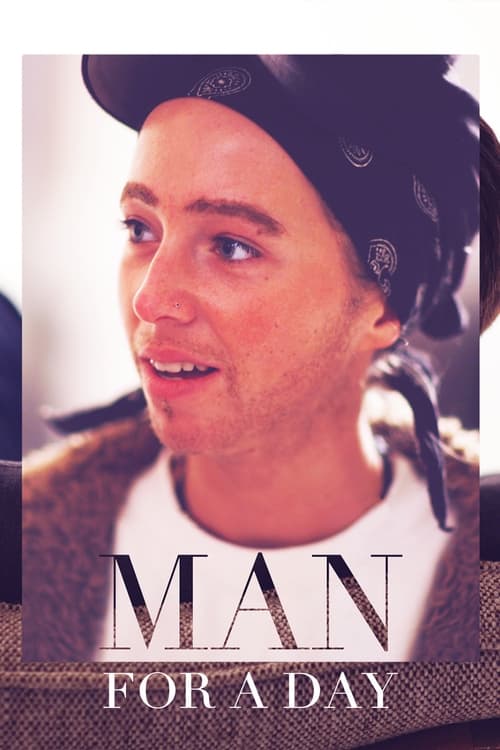
Man for a Day is a focused exploration of gender transgression and identity fluidity. By presenting masculinity as a performative experiment, the film challenges systemic social hierarchies. However, the film's impact is limited by a lack of visible racial diversity and any representation of disability. The focus remains strictly on the sociological and performative aspects of gender within a European context.
Category Breakdown
The film focuses on non-binary identities and the flexibility of gender expression. It challenges the assumption that everyone is straight or cisgender by showing workshops that explore breaking down traditional gender roles.
This documentary turns traditional gender hierarchies upside down by having women investigate the secrets of masculinity. It views gender as a set of learned behaviors rather than a fixed biological trait.
The setting is a workshop in Berlin featuring open-minded women. While the focus is on gendered behavior, there is no explicit evidence of a diverse non-Anglo-Saxon majority cast.
The narrative prioritizes secular, sociological inquiry over religious frameworks. It questions the nature versus nurture debate about identity, promoting social relativism.
There is no focus on physical or neurodivergent disabilities. No specific characters or participants are identified as having visible or invisible disabilities.
Present on Screen
Limited or Absent
Official Synopsis
Gender activist Diane Torr’s worldwide appearances and workshops are now legendary. For the past thirty years, the main focus of this performance artist’s work has been an exploration of the theoretical, artistic as well as the practical aspects of gender identity. Katarina Peters’ documentary observes a Diane Torr workshop in Berlin in which a group of open-minded women come together to discover the secrets of masculinity. What makes a man a man and a woman a woman? Precisely when and where is gender identity formatted? How much is nature and how much nurture? Each of Torr’s workshops represents an open-ended laboratory experiment in social behaviour in which the question is posed: is it possible to deliberately play out different roles and create a space in which to transgress both masculine and feminine characteristics?
2002

2017
1997
2022
1999

2019
1990

2014
No reviews yet. Be the first to share your thoughts on this movie!
Use the rating form above to leave a star rating and optional review.