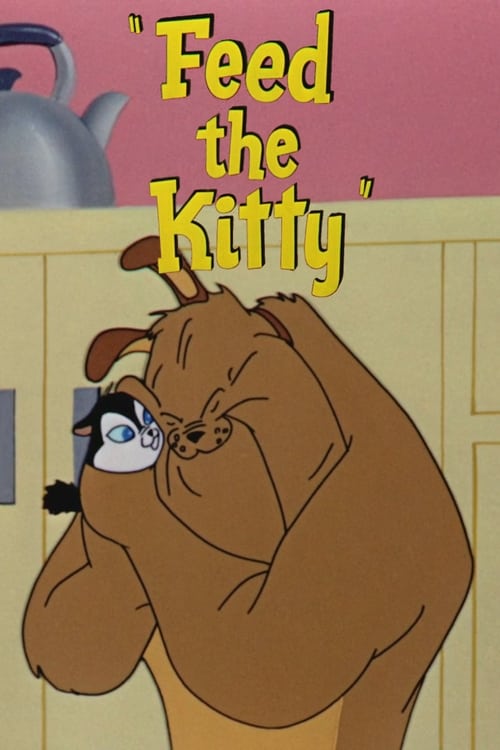
Feed the Kitty
1952
No user ratings available yet
Representation score: 0.9 out of 10
Representation Score
Minimal
1953
NRDirector
Chuck Jones
Runtime
7 minutes
Average Rating
No ratings yetNew Showbiz Analysis
Chuck Jones presents a polished piece of studio animation that prioritizes aesthetic charm and traditional comedic structures. While the film showcases technical sophistication, its narrative structure upholds 1950s social norms rather than disrupting them. The work slightly elevates gender dynamics by portraying the female lead as a high-status figure, but it lacks the intentionality needed to engage with broader social or identity-based themes. The anthropomorphic setting and mid-century focus result in a narrow scope that avoids complex social or identity-based storytelling.
Category Breakdown
The film focuses on traditional romantic dynamics between anthropomorphic cats. There are no depictions of non-binary gender identities or same-sex relationships.
Pussyfoot is portrayed as a high-status, glamorous figure with significant social influence. This portrayal challenges the typical role of a female character as merely a secondary motivator.
The cast consists entirely of animal characters in a stylized environment. This setup does not allow for any direct engagement with human racial or ethnic identifiers.
The narrative reinforces mid-century Western social aspirations and high-society glamour. It celebrates a polished, idealized social order without challenging traditional institutions.
The story does not address physical impairments, neurodivergence, or mental health issues. The focus remains strictly on comedic and musical elements.
Present on Screen
Limited or Absent
Official Synopsis
Marc Antony must convince his owner that Pussyfoot is a great mouser to keep him in the house.
1952
1951
1941
1940
1945
1949

1953
1948
No reviews yet. Be the first to share your thoughts on this movie!
Use the rating form above to leave a star rating and optional review.