
House Arrest
2012
No user ratings available yet
Representation score: 4.4 out of 10

Representation Score
Excellent
2018
PG-13Director
Jillian Armenante
Runtime
100 minutes
Average Rating
No ratings yetNew Showbiz Analysis
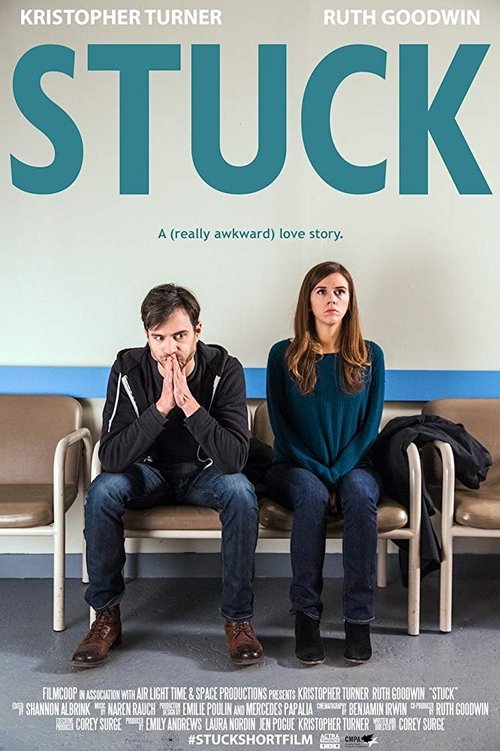
Stuck is a sophisticated character study that disrupts mainstream comedy clichés by centering diverse identities. It moves away from formulaic structures to favor authentic, lived experiences and nuanced identity portrayals. The film excels at integrating diverse sexual orientations and gendered perspectives into its core social landscape. By focusing on female vulnerability and interpersonal dynamics, it avoids the trap of male-dominated storytelling. While the film captures the multicultural essence of its setting, it remains primarily a study of individual connection. It prioritizes subjective emotional navigation over broader institutional or religious commentary.
Category Breakdown
The film integrates LGBTQ identities naturally into the social fabric of Los Angeles. Queer identities are not treated as isolated plot points but are normalized within the protagonist's social circle.
The narrative centers on female-centric social hierarchies and the complexities of female friendships. It passes the Bechdel test, ensuring women have significant roles through meaningful dialogue and connections.
The cast reflects the multicultural reality of an urban setting through Latinx and Asian identities. This diverse ensemble mirrors the demographic complexity of Los Angeles without relying on including someone from a minority group without giving them real depth.
The film operates within a secular, urban framework that prioritizes emotional truths over religious frameworks. It focuses on the messiness of modern adult life and situational ethics.
There is no significant evidence regarding the portrayal of visible or invisible disabilities. The narrative remains neutral on the presence of neurodivergence or physical disability.
Present on Screen
Limited or Absent
Official Synopsis
Darby finds herself in trouble with the law, and is sentenced to house arrest. Now she must serve thirty days in the home she used to share with her ex-boyfriend, that he now shares with his new fiancee.
2012

2013

2017

2021

2017

2018
2018

2017
No reviews yet. Be the first to share your thoughts on this movie!
Use the rating form above to leave a star rating and optional review.