
Beach Red
1967
No user ratings available yet
Diversity score: 2.6 out of 10
1961
ApprovedDirector
John A. Bushelman
Runtime
61 minutes
Average Rating
No ratings yetSynopsis
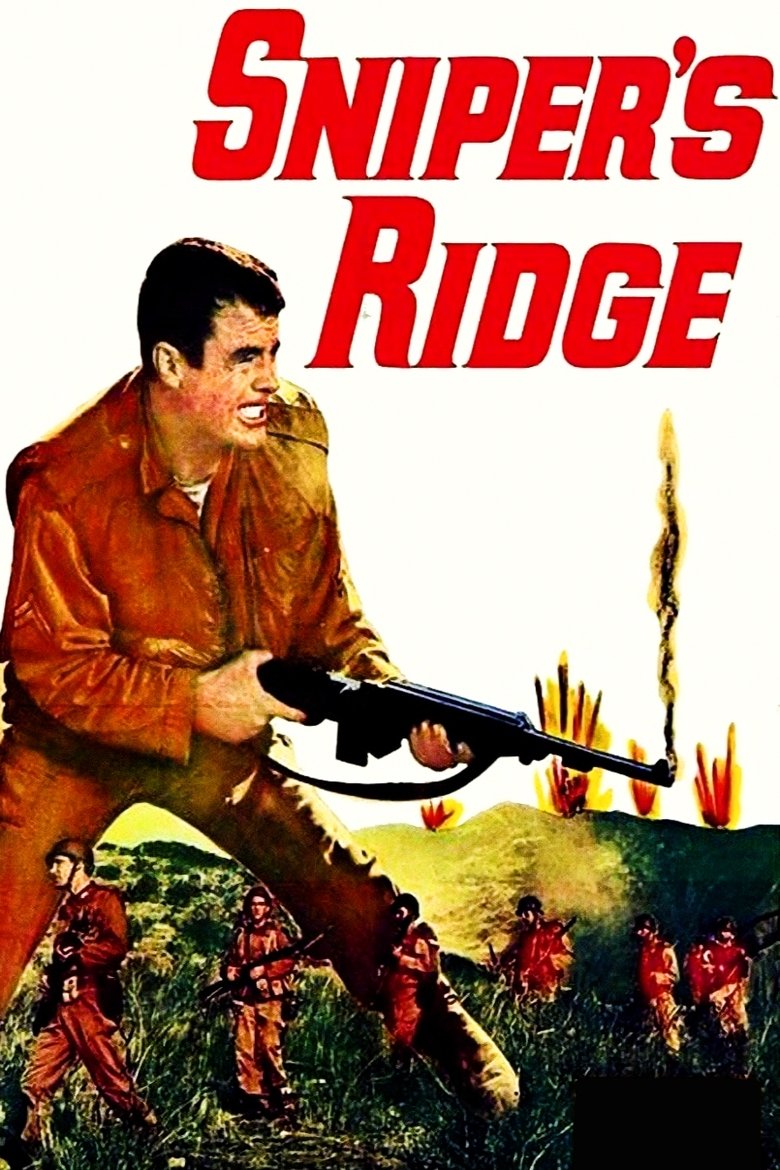
A combat unit under Capt. Tombol's command undertakes a perilous final patrol amidst heightened tensions, despite an imminent Korean War treaty. Tragically, Tombol steps on a "Bouncing Betty" landmine.
Overall Score
Limited
Category Breakdown
LGBTQ+ Representation
The film lacks any evidence of non-cisnormative identities or same-sex intimacy. It adheres to the heteronormative social structures typical of 1961 military cinema.
Gender Representation
The story centers on a male-dominated combat unit. It reinforces traditional masculine leadership hierarchies through Captain Tombol's command without subverting standard gendered roles.
Racial & Ethnic Diversity
The narrative focuses on a specific command unit without explicit evidence of a diverse cast. It likely reflects the homogeneous casting patterns of early 1960s Western war films.
Religious & Cultural Diversity
The film operates within traditional Western military frameworks. It follows conventional dramatic tropes of mid-century patriotic or procedural war cinema rather than offering social critiques.
Disability Representation
Physical trauma is introduced when a character steps on a landmine. It remains unclear if this injury provides character agency or serves as a standard plot device.
Strengths
Areas for Improvement
AI Analysis
Sniper's Ridge is a product of the mid-century studio model, prioritizing traditionalist narrative structures over social complexity. The film focuses on the procedural realities of a Korean War combat unit, which limits its scope to conventional military archetypes. The demographic composition reflects the era's standard casting, resulting in a lack of intersectional representation. The focus remains strictly on duty and the immediate tensions of a perilous patrol. Ultimately, the film functions as a period-typical war drama that reinforces existing social hierarchies rather than challenging them.
1967

2001
1972
1960
1969
2016

1951
1957
1963
1966
1968
1975
No reviews yet. Be the first to share your thoughts on this movie!
Use the rating form above to leave a star rating and optional review.