Election
1999
No user ratings available yet
Representation score: 6.6 out of 10
Representation Score
Fair
1985
RDirector
John Hughes
Runtime
98 minutes
Average Rating
No ratings yetNew Showbiz Analysis
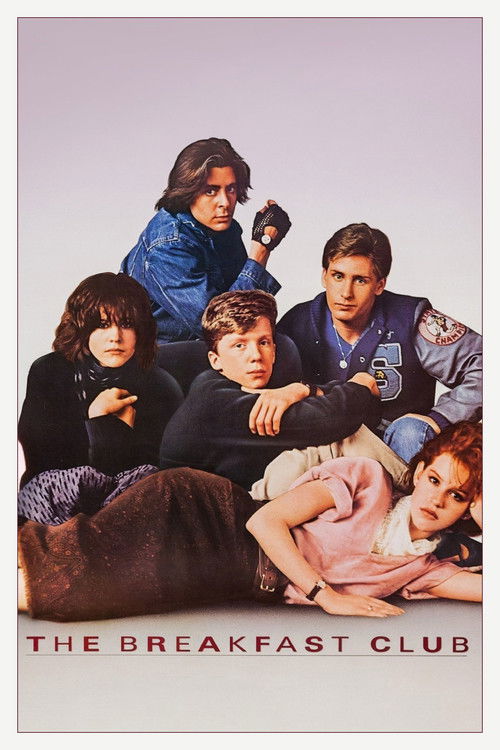
The Breakfast Club focuses on the psychological exploration of social hierarchies, prioritizing the critique of oppressive Western institutions like the family and the educational system. However, the film is limited in its representation of diverse identities, lacking meaningful engagement with LGBTQ+ identities or racial diversity. This narrow demographic focus reduces its overall diversity profile. Ultimately, the film's strength lies in its willingness to challenge social constructs and the performative nature of identity, despite failing to include a broad spectrum of human experiences.
Category Breakdown
The film does not explicitly depict LGBTQ+ identities or same-sex relationships. Social interactions revolve around heterosexual norms without any queer undertones.
The film challenges traditional gender roles by revealing the vulnerabilities behind archetypes like the 'Princess' and the 'Jock.' Female characters defy social hierarchies, though some power dynamics still follow conventional patterns.
The film's setting is predominantly white and homogeneous, focusing on socioeconomic and clique-based divisions rather than racial or ethnic diversity.
The story criticizes traditional institutions like the nuclear family and school authority, presenting anti-social behavior as a reaction to systemic domestic issues and alienation.
The film minimally engages with disability. Allison is portrayed as a social outcast, but the film does not address specific neurodivergent or physical disabilities.
Present on Screen
Limited or Absent
Official Synopsis
Five high school students from different walks of life endure a Saturday detention under a power-hungry principal. The disparate group includes rebel John, princess Claire, outcast Allison, brainy Brian and Andrew, the jock. Each has a chance to tell his or her story, making the others see them a little differently -- and when the day ends, they question whether school will ever be the same.
1999
2002

1986
1986
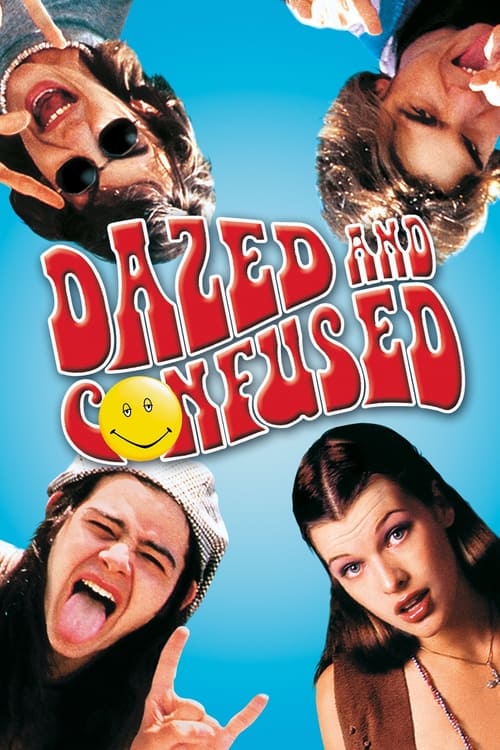
1993
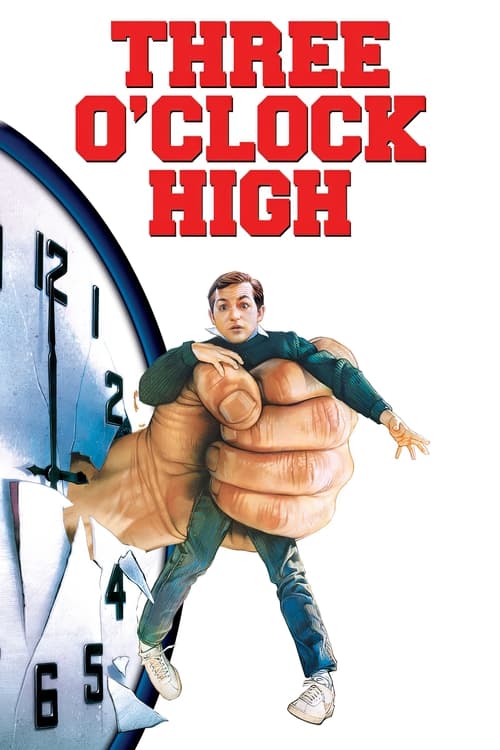
1987
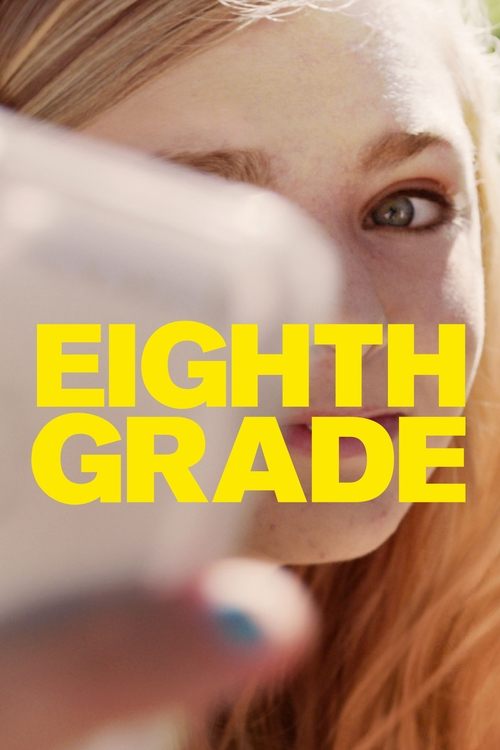
2018
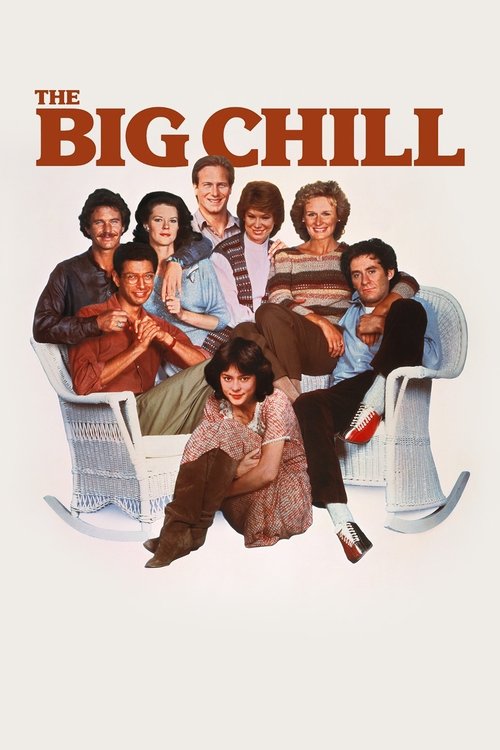
1983
No reviews yet. Be the first to share your thoughts on this movie!
Use the rating form above to leave a star rating and optional review.