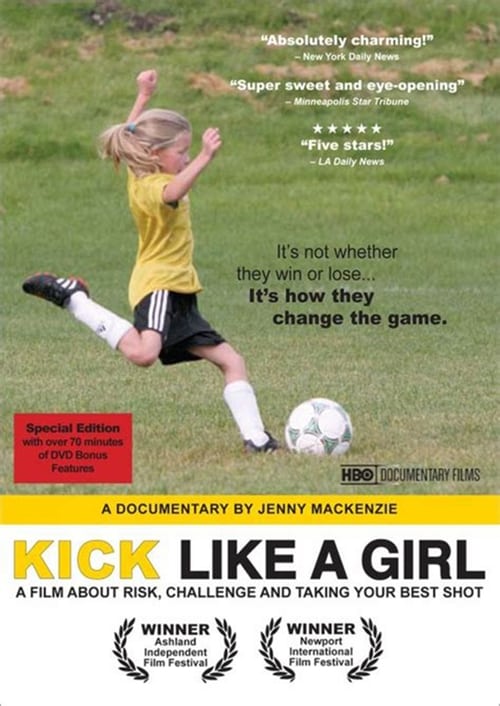
Kick Like a Girl
2008
No user ratings available yet
Diversity score: 6.6 out of 10
No Poster Available
2007
GDirector
Amy Kalafa
Runtime
86 minutes
Average Rating
No ratings yetSynopsis
What happens when fed-up moms try to change school food?
Overall Score
Fair
Category Breakdown
LGBTQ+ Representation
The film maintains a neutral stance regarding sexual orientation and gender identity. There is no explicit evidence of non-cisnormative identities or critiques of heteronormativity within the narrative.
Gender Representation
The documentary subverts traditional tropes by transforming mothers from passive domestic figures into assertive leaders. It centers on women driving systemic policy changes and exercising high agency.
Racial & Ethnic Diversity
Information regarding the racial composition of the activists or the school community is unavailable. Consequently, the diversity of the subjects cannot be determined.
Religious & Cultural Diversity
The film challenges institutional norms by framing school food systems as negligent. It prioritizes a critique of established organizational structures and values collective community agency.
Disability Representation
There is no indication that neurodivergence or physical disabilities play a central role in the character arcs. The narrative focus remains on parental activism.
Strengths
Areas for Improvement
AI Analysis
Two Angry Moms succeeds by reframing the maternal role through a lens of civic engagement and intellectual leadership. By focusing on women challenging bureaucratic school boards, the film disrupts conventional expectations of domestic passivity and highlights grassroots empowerment. However, the documentary lacks visibility regarding racial and ethnic diversity. Without specific data on the composition of the activist group, the film's ability to represent a broad spectrum of identities remains unverified. Ultimately, the film's strength lies in its deconstruction of social hierarchies. It moves the conversation from private domestic concerns to public systemic reform, though it lacks depth in LGBTQ+ and disability representation.
2008
1979

2010

2018
2014

2014

2011

2007

2014

2008

2012

2005
No reviews yet. Be the first to share your thoughts on this movie!
Use the rating form above to leave a star rating and optional review.