Martha
1974
No user ratings available yet
Representation score: 5.7 out of 10
Representation Score
Minimal
1992
PG-13Director
Robin Spry
Runtime
96 minutes
Average Rating
No ratings yetNew Showbiz Analysis
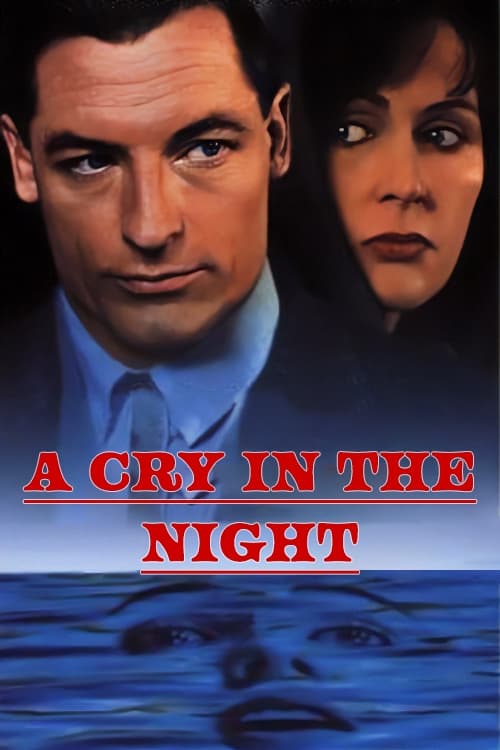
A Cry in the Night is a conventional psychological thriller that emphasizes genre clichés over diverse representation. The narrative centers on a nuclear family facing a predatory male figure, reinforcing traditional social anxieties. While the story includes a strong female protagonist, it remains tied to established hierarchies of gender and race, typical of 1990s television.
Category Breakdown
The film does not include any LGBTQ+ characters. The main conflict revolves around a dysfunctional heterosexual relationship.
The movie focuses on a strong female lead, but it also emphasizes her vulnerability. The power dynamics are dominated by a patriarchal threat, reinforcing traditional gender roles.
The cast is predominantly white, reflecting the homogeneity of early 1990s television. There is no significant racial diversity.
The story adheres to traditional Western values concerning family and social order. It does not explore diverse cultural themes.
The film does not address any visible or invisible disabilities through its characters. There are no disability-related storylines.
Present on Screen
Limited or Absent
Official Synopsis
A divorced mother suspects that she and her two children may be in danger because of her insanely jealous new husband
1974
1994
1993
2013
2000
1995

1995
1993
No reviews yet. Be the first to share your thoughts on this movie!
Use the rating form above to leave a star rating and optional review.