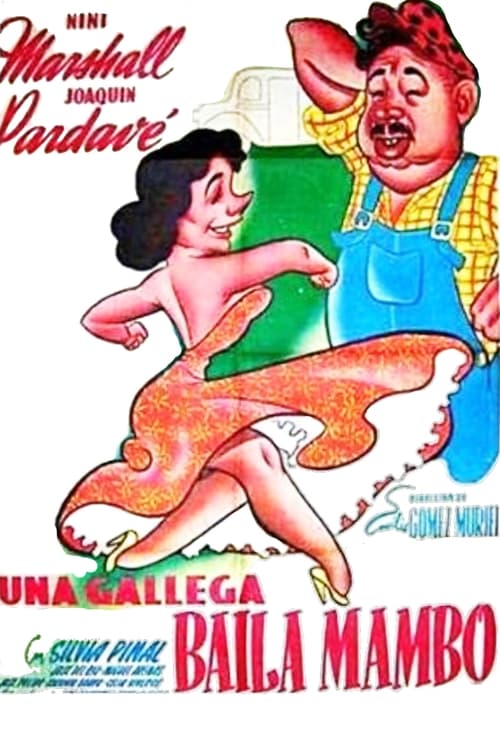
Una gallega baila mambo
1951
No user ratings available yet
Representation score: 1.4 out of 10
Representation Score
Limited
1951
Director
Emilio Gómez Muriel
Average Rating
No ratings yetNew Showbiz Analysis
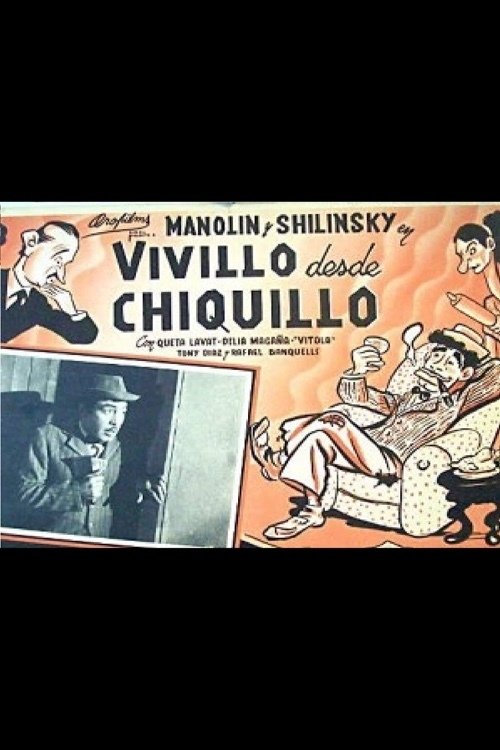
Vivillo desde chiquillo is a product of the Golden Age of Mexican cinema, operating within the established studio systems of 1951. The film prioritizes conventional moral structures and traditional social hierarchies over any narrative subversion. The comedy centers on mistaken identity and blackmail, themes that reinforce mid-century social norms. While the female lead is a focal point of the conflict, the character dynamics remain rooted in traditional gender roles. Ultimately, the film serves as a reflection of its era's nationalistic and homogeneous cultural identity, focusing on character-driven comedy rather than diverse or characters who reflect more than one aspect of diversity.
Category Breakdown
The film does not include any LGBTQ+ characters or narratives. The plot revolves around traditional family structures involving a married woman and a male freeloader.
A married woman is central to the plot's tension, but she seems to function primarily as a catalyst for male-driven conflict. The story relies on traditional comedic archetypes.
The production features a predominantly Mexican cast typical of the Golden Age of Mexican cinema. It emphasizes a homogeneous national identity without exploring diverse ethnic backgrounds.
The narrative upholds mid-century notions of morality and social order. It prioritizes the sanctity of marriage and the maintenance of social standing.
There is no information available regarding the portrayal of physical or neurodivergent disabilities in this film.
Present on Screen
Limited or Absent
Official Synopsis
A freeloader goes through a case of mistaken identity after a man tries to blackmail a married woman and he's caught in the middle of everything.
1951

1971

1950
1961

1950

1938

1968
1955
No reviews yet. Be the first to share your thoughts on this movie!
Use the rating form above to leave a star rating and optional review.