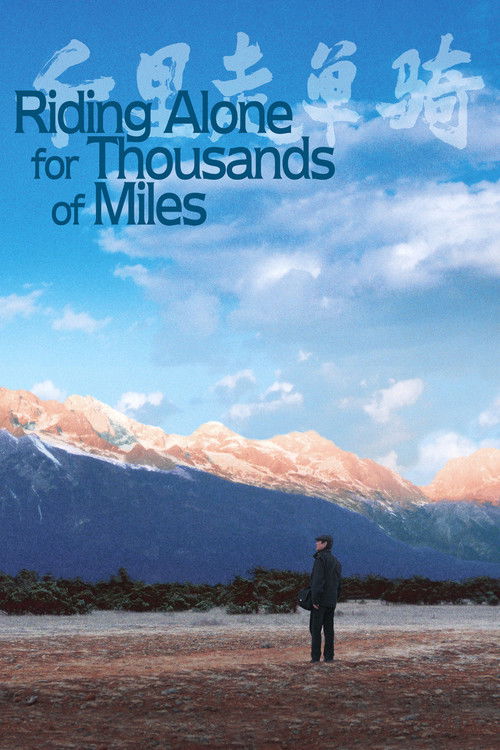
Riding Alone for Thousands of Miles
2005
No user ratings available yet
Representation score: 4.7 out of 10
Representation Score
Excellent
2007
UnratedDirector
Wayne Wang
Runtime
83 minutes
Average Rating
No ratings yetNew Showbiz Analysis
Wayne Wang presents a sophisticated exploration of the Asian diaspora, going beyond superficial including someone from a minority group without giving them real depth. The film's strength lies in treating cultural identity as a central psychological component rather than just an aesthetic choice. While it excels in racial and ethnic nuance, it remains limited in LGBTQ+ and disability representation. The narrative centers on straight-centered family conflicts and generational shifts, challenging traditional patriarchal hierarchies and Western-centric assimilation narratives.
Category Breakdown
The film does not include explicit LGBTQ+ characters or non-straight relationships. It focuses on traditional heterosexual relationships and the emotional consequences of infidelity.
Yilan is shown with significant emotional ability to act and intellectual independence as a professional librarian. She resists traditional filial piety, challenging the stereotype of the submissive daughter.
The film offers a nuanced portrayal of the Chinese diaspora and the immigrant experience. It avoids a default white perspective by centering a Chinese-American cast.
The story examines the tension between Eastern traditions and Western modernity through a lens of moral relativism. It emphasizes emotional truths over strict religious doctrine.
The film does not feature characters with visible or invisible disabilities. The narrative focuses on psychological states rather than neurodivergence or physical disabilities.
Present on Screen
Limited or Absent
Official Synopsis
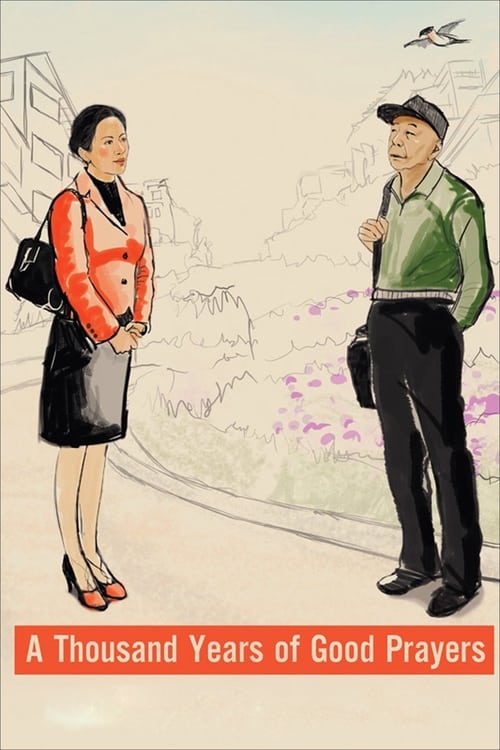
The film follows Mr. Shi, a retired widower from Beijing. When his only daughter, Yilan, who lives in Spokane, Washington and works as a librarian, gets divorced, he decides to visit her to help her heal. However, Yilan is not interested. She tries keeping an emotional distance but when this finally fails she begins physically avoiding her father. He confronts her about an affair with a married Russian man and she, in turn, lets loose about all the gossip she'd heard as a young girl about his alleged affair with a female colleague back in China.
2005
1985
2010
1999
2020
2009
2009

2015
No reviews yet. Be the first to share your thoughts on this movie!
Use the rating form above to leave a star rating and optional review.