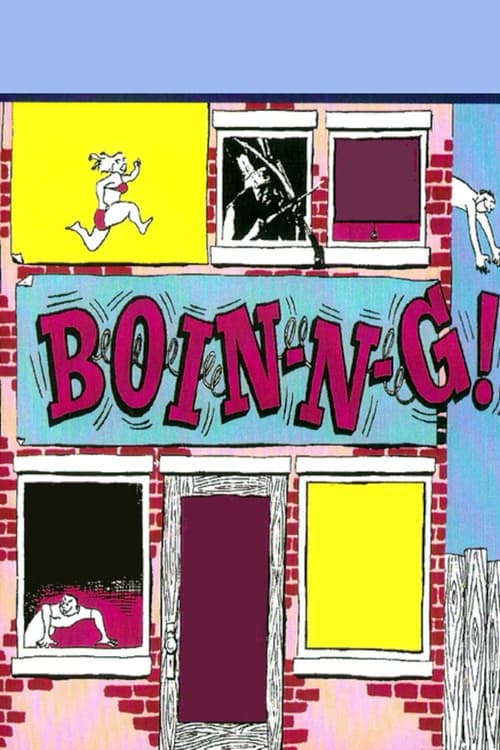
Boin-n-g
1963
No user ratings available yet
Representation score: 1.4 out of 10
Representation Score
Minimal
1964
Director
Barry Mahon
Runtime
60 minutes
Average Rating
No ratings yetNew Showbiz Analysis
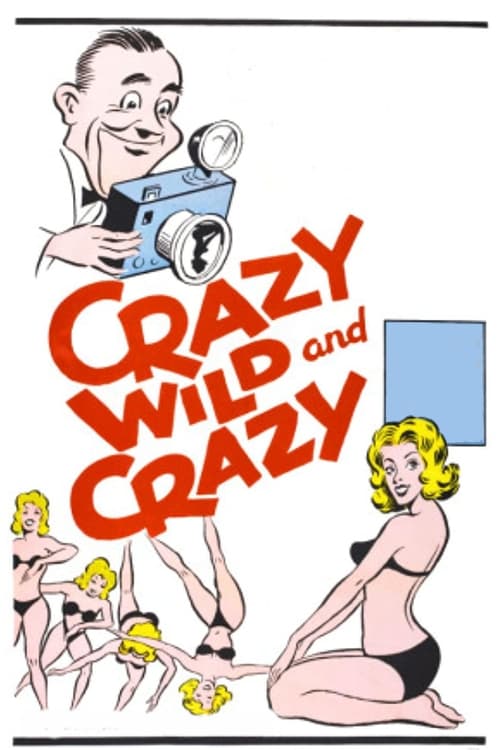
Crazy Wild and Crazy is a product of the 1960s exploitation market, prioritizing commercial voyeurism over complex character development. The meta-narrative about a photographer's failed shoot focuses on comedic farce rather than social subversion. Representation is limited by the era's standard clichés. The film reinforces traditional hierarchies, particularly regarding gender, where the male gaze remains the central authority. Ultimately, the work functions as a low-stakes spectacle. It lacks the intentionality required to represent underrepresented identities or critique systemic power dynamics.
Category Breakdown
The film relies on traditional sexual archetypes common to the nudie-cutie genre. There is no evidence of LGBTQ+ identities or narratives that challenge standard sexual norms.
While female bodies are visible, they lack narrative ability to act. Women function as objects of the camera's gaze rather than active subjects driving the plot.
The production likely reflects the homogeneous demographic norms of 1964. There is no evidence of diverse ensemble work or race-bent casting.
The film serves as a commercial diversion rather than a social commentary. It lacks any critique of Western institutions or social morality.
The film does not incorporate characters with visible or invisible disabilities. The genre rarely engages with neurodivergence or physical disability.
Present on Screen
Limited or Absent
Official Synopsis
A photographer tries to show us in the audience how to make a nudie-cutie, only for everything to go totally wrong.
1963
1969
1963
1964
1963
1968
1966
1965
No reviews yet. Be the first to share your thoughts on this movie!
Use the rating form above to leave a star rating and optional review.