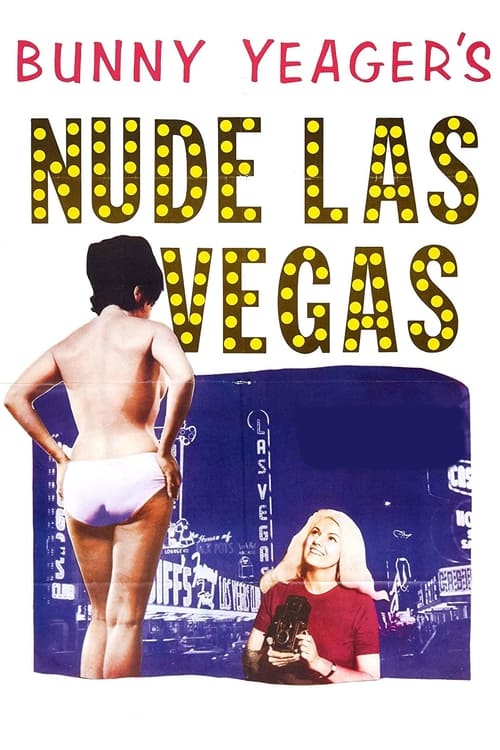
Bunny Yeager's Nude Las Vegas
1964
No user ratings available yet
Representation score: 2.3 out of 10
Representation Score
Minimal
1963
Director
Barry Mahon
Runtime
65 minutes
Average Rating
No ratings yetNew Showbiz Analysis
This 1963 comedy captures the essence of mid-century cinematic norms. The narrative structure revolves around traditional hierarchies, centered on a male photographer and a female model, reinforcing conventional gender roles. The film lacks depth in representing diverse identities and social structures. It focuses on a homogeneous, upper-class environment that aligns with the era's social norms. Overall, the production leans heavily on standard comedic formulas, reinforcing existing social and class structures rather than challenging them.
Category Breakdown
The film does not include any representation of LGBTQ+ identities or same-sex relationships. It focuses on traditional heterosexual relationships typical of the early 1960s.
The story emphasizes conventional power dynamics between a male professional and a female character. The title suggests a focus on female domesticity rather than empowering women.
The setting in a luxurious New York apartment building indicates a homogeneous social environment. The film likely reflects the era's tendency to depict upper-class, white communities as the norm.
The story adheres to the social norms of the 1960s. It upholds traditional class structures without critiquing Western institutions or capitalism.
There is no mention of characters with visible or invisible disabilities. No information is available about how disability is portrayed or utilized within the plot.
Present on Screen
Limited or Absent
Official Synopsis
A New York photographer takes photos of various tenants in a posh apartment building while waiting for a nude pin-up model to show up for him at his studio.
1964
1958

1964

1960
1963
1967
1969

1973
No reviews yet. Be the first to share your thoughts on this movie!
Use the rating form above to leave a star rating and optional review.