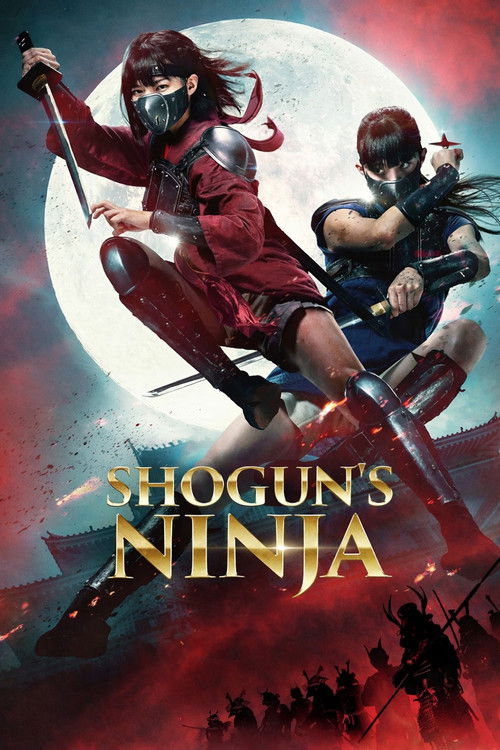
Shogun's Ninja
2025
No user ratings available yet
Representation score: 1.3 out of 10

Representation Score
Fair
2011
Director
Seiji Chiba
Runtime
65 minutes
Average Rating
No ratings yetNew Showbiz Analysis
The film successfully challenges traditional gender hierarchies by placing a female warrior at the center. Kisaragi drives the plot through her own choices and skill, subverting the cliché of women as passive figures in feudal history. However, the film lacks representation of LGBTQ+ identities or disability. Its historical setting limits racial diversity, making the scope narrow and focused on a personal vendetta within a homogeneous framework.
Category Breakdown
The story revolves around clan conflicts and a personal vendetta. There is no visible evidence of LGBTQ+ identities or same-sex intimacy.
The film centers on Kisaragi, a female protagonist with superior martial skills. She drives the plot through her own actions and skills, rather than being a passive character.
Set in 16th-century Japan, the film reflects a culturally homogeneous historical setting. It focuses on internal clan dynamics rather than diverse ethnic perspectives.
The story depicts traditional feudal structures and clan loyalty. It portrays the era's systemic violence without offering a modern socio-political critique.
There is no mention of characters with visible or invisible disabilities. No representation of neurodivergence or physical disability is present in the narrative.
Present on Screen
Limited or Absent
Official Synopsis
In 16th century feudal Japan the war between the Iga clan and the Kouga clan continues unabated. Typically for such violent disputes it is the women who suffer the most – in this case lowly castrated Kouga clan ninjas are kidnapping woman from their rivals’ lands and transporting them back to their own, with the intent to use them as concubines. Unfortunately for a trio of inept Kouga ninjas, one of the women they’ve kidnapped is Kisaragi (Rina Takeda), a skilled ninja with a long standing vendetta since her mother was kidnapped when she was just a baby.
2025
2015
2017

2017

1959

2014
2009
1968
No reviews yet. Be the first to share your thoughts on this movie!
Use the rating form above to leave a star rating and optional review.