
Gideon's Day
1958
No user ratings available yet
Representation score: 2.9 out of 10

Representation Score
Minimal
1936
PassedDirector
William Clemens
Runtime
60 minutes
Average Rating
No ratings yetNew Showbiz Analysis
Man Hunt is a traditional 1930s crime comedy that adheres to the social hierarchies and demographic constraints of its era. The narrative centers on a small-town teacher and an escaped bank robber, reinforcing traditional storytelling clichés without challenging them. The film lacks representation of multiple aspects of diversity, presenting a homogeneous view of society that was typical for Hollywood during this period. It functions as a genre piece that prioritizes established moral frameworks over cultural or social diversity. Ultimately, the production reflects the era's emphasis on social stability and conventionality, offering little disruption of the period's dominant social structures.
Category Breakdown
The film does not include any characters with LGBTQ+ identities or non-straight relationships. The story follows a traditional crime drama format.
A female teacher serves as the main character, but her role likely remains secondary to the male-driven plot. The film seems to follow standard gender roles of the time.
The casting likely reflects the homogeneous standards of the mid-1930s. There is no indication of a diverse cast or actors from different racial backgrounds.
The story operates within conventional moral frameworks focused on law and order. It emphasizes social stability without critiquing Western institutions.
There is no evidence of characters with visible or invisible disabilities in the film.
Present on Screen
Limited or Absent
Official Synopsis
A bored small-town teacher gets mixed up with an escaped bank robber.
1958

1941

1940

1934

1933

1938
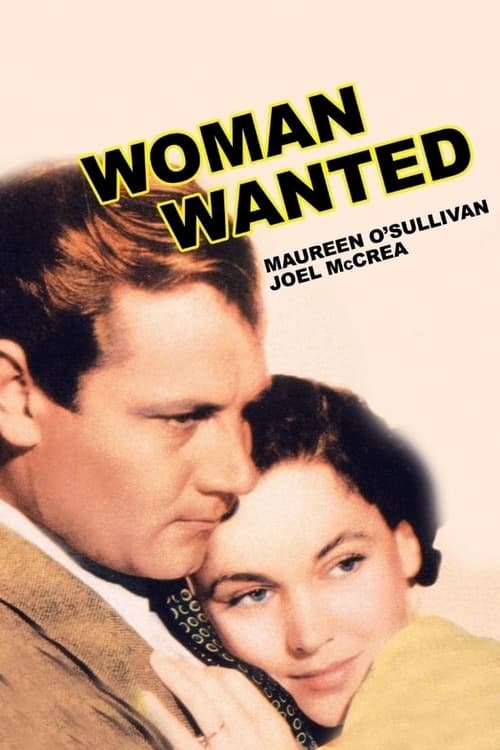
1935

1934
No reviews yet. Be the first to share your thoughts on this movie!
Use the rating form above to leave a star rating and optional review.