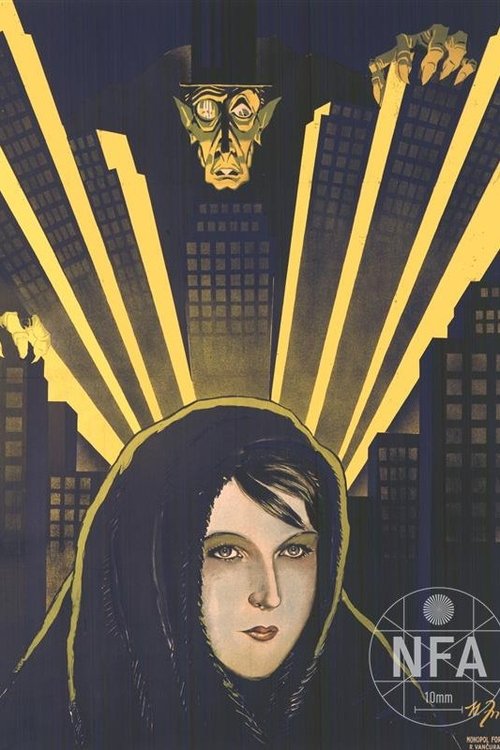
Poor girl
1930
No user ratings available yet
Representation score: 1.7 out of 10
Representation Score
Limited
1929
Director
Martin Frič
Runtime
80 minutes
Average Rating
No ratings yetNew Showbiz Analysis
Martin Frič’s 1929 silent drama is a product of its time, emphasizing traditional romantic and dramatic archetypes. The film operates within the social hierarchies and localized storytelling norms of early 20th-century European cinema. Its lack of diversity is a reflection of its era. The narrative structure focuses on regional identity and religious settings rather than multi-layered or subversive themes. Ultimately, the film offers a glimpse into the homogeneous cultural landscape of the late 1920s Czechoslovakian film industry.
Category Breakdown
The film doesn't include any clear evidence of stories involving LGBTQ+ identities or non-straight relationships. This omission reflects the era's cinematic traditions rather than any explicit opposition to these themes.
The story likely adheres to traditional romantic clichés common during the silent film era. Female characters seem to serve primarily as emotional anchors, often defined by their relationships to male protagonists.
The production reflects the homogeneous population of 1920s Czechoslovakia. There is no indication of racial or ethnic diversity within this localized cinematic tradition.
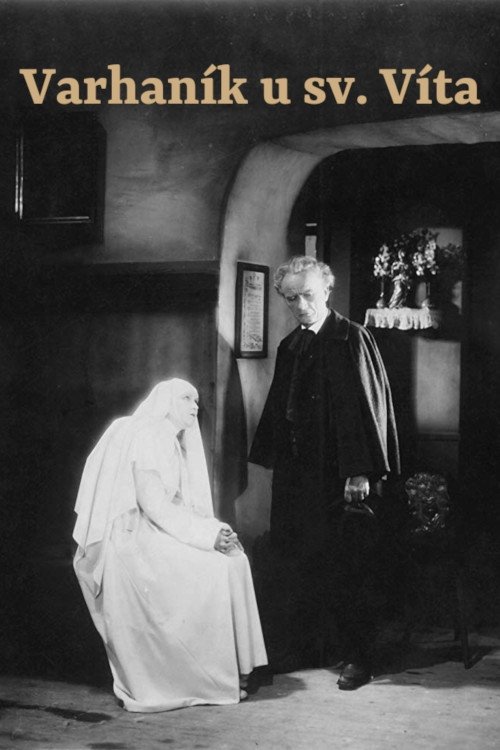
The story centers around St. Vitus Cathedral and emphasizes Western religious traditions. It appears to favor traditional morality and spiritual reverence over secular critiques.
There is no information available regarding the depiction of physical or neurodivergent characters in this work.
Present on Screen
Limited or Absent
Official Synopsis
The most important silent film by director Martin Frič. Poet Vitezslav Nezval did scenographic modifications to the original story by Václav Wasserman. Film producer Jaroslav Stransky didn’t witness premier; because of fear of financial collapse, he killed himself.
1930
1927
1939
1938
1967
1924
1941
1999
No reviews yet. Be the first to share your thoughts on this movie!
Use the rating form above to leave a star rating and optional review.