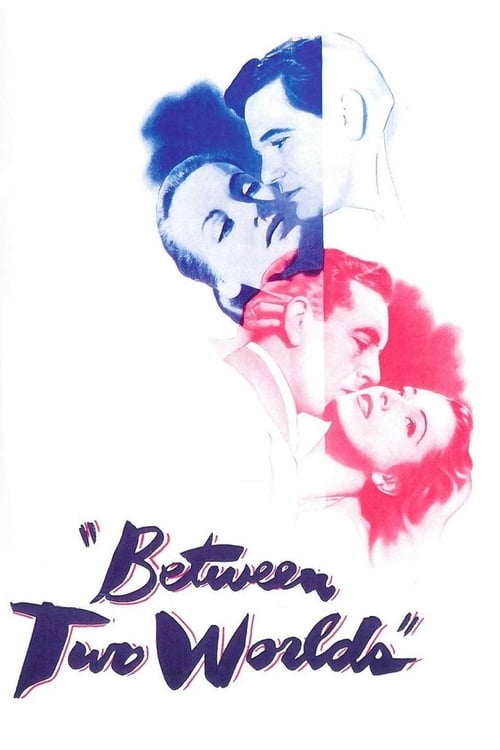
Between Two Worlds
1944
No user ratings available yet
Representation score: 1.1 out of 10
Representation Score
Minimal
1952
Director
Guy L. Coté
Runtime
19 minutes
Average Rating
No ratings yetNew Showbiz Analysis
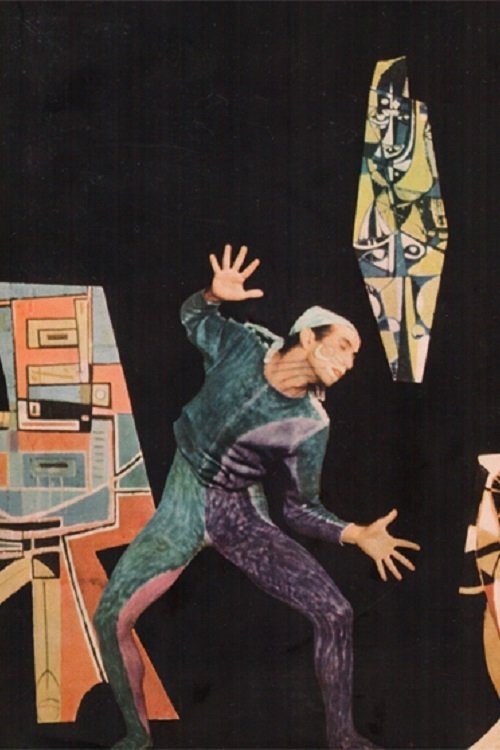
Between Two Worlds is a product of its mid-century Canadian context, reflecting the rigid social and narrative conventions of 1952. The film lacks any progressive representation or intentional subversion of the era's status quo. Most categories score low because the production adheres to the homogeneous casting and traditional gender hierarchies standard for North American shorts of this period. There is a notable absence of diverse identities, whether regarding race, disability, or sexual orientation. Ultimately, the film functions as a period-typical piece that reinforces existing social structures rather than challenging them through diverse character arcs or inclusive casting.
Category Breakdown
The film does not include any non-binary gender identities or same-sex relationships, sticking closely to the heterosexual norms typical of 1952 cinema.
The portrayals likely follow traditional gender roles common to the era, with no indication of women having significant control over their own lives or subverting patriarchal structures.
Casting appears to reflect the homogeneous norms of early 1950s North American short films, with no non-white majority casts or diverse ethnic representation.
The narrative aligns with the prevailing social values of the period, emphasizing traditional institutions like family and community without deconstructing them.
There is no information regarding the inclusion of characters with visible or invisible disabilities. The film lacks any documented evidence of characters with disabilities taking an active role.
Present on Screen
Limited or Absent
Official Synopsis
A short film from Guy L. Coté
1944

1953

1958
1944
1956
1936
1952
1942
No reviews yet. Be the first to share your thoughts on this movie!
Use the rating form above to leave a star rating and optional review.