
Lost Continent
1951
No user ratings available yet
Representation score: 0.6 out of 10
Representation Score
Minimal
1952
ApprovedDirector
Lew Landers
Runtime
65 minutes
Average Rating
No ratings yetNew Showbiz Analysis
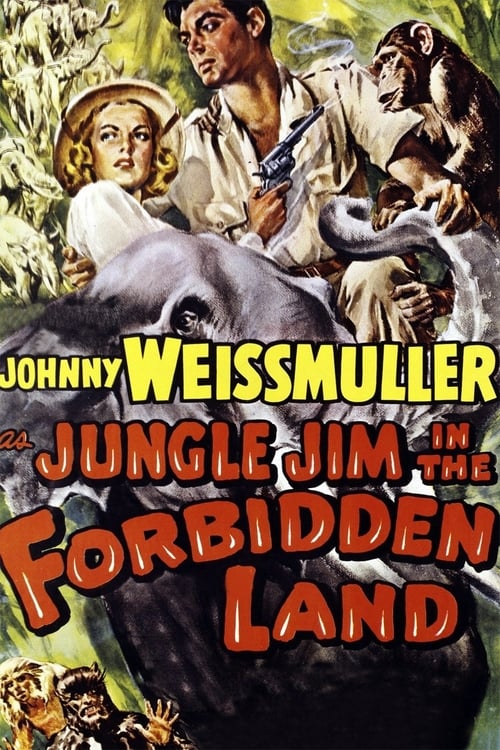
Jungle Jim in the Forbidden Land is a typical product of its time, focusing on conventional adventure clichés rather than social complexities. The film uses established genre conventions that uphold traditional social, gender, and racial power dynamics. The narrative centers on a Western perspective, reinforcing colonial-era hierarchies common in 1950s pulp cinema. It lacks multi-layered depth, maintaining traditional social, gender, and racial power structures through its character roles and moral framework.
Category Breakdown
The film does not depict any LGBTQ+ identities or themes. It follows the straight-centered standards of 1950s adventure movies.
The story emphasizes traditional gender roles where male characters like Jungle Jim have leadership and physical strength, while female characters are mainly portrayed as needing protection.
The film focuses on a white protagonist exploring exotic lands. Characters of color are mostly in supporting roles such as guides, reflecting colonial-era pulp stories.
The movie highlights Western adventure morals and the success of Western explorers. It upholds traditional social orders without critiquing Western institutions.
The film does not show any visible or invisible disabilities. There are no character arcs defined by neurodivergence or physical impairments.
Present on Screen
Limited or Absent
Official Synopsis
Jungle Jim is forced to lead anthropologist Dr. Edwards into a land inhabited by giant people.
1951
1961
1953

1949

1961

1957
1958
1933
No reviews yet. Be the first to share your thoughts on this movie!
Use the rating form above to leave a star rating and optional review.