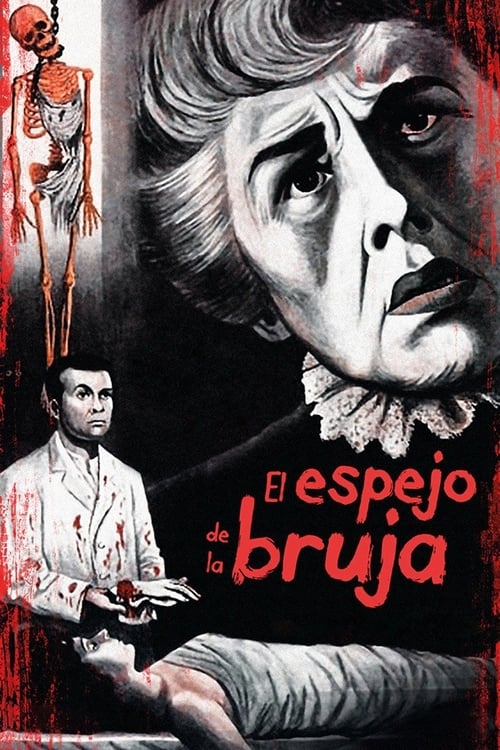
The Witch's Mirror
1962
No user ratings available yet
Diversity score: 2.8 out of 10
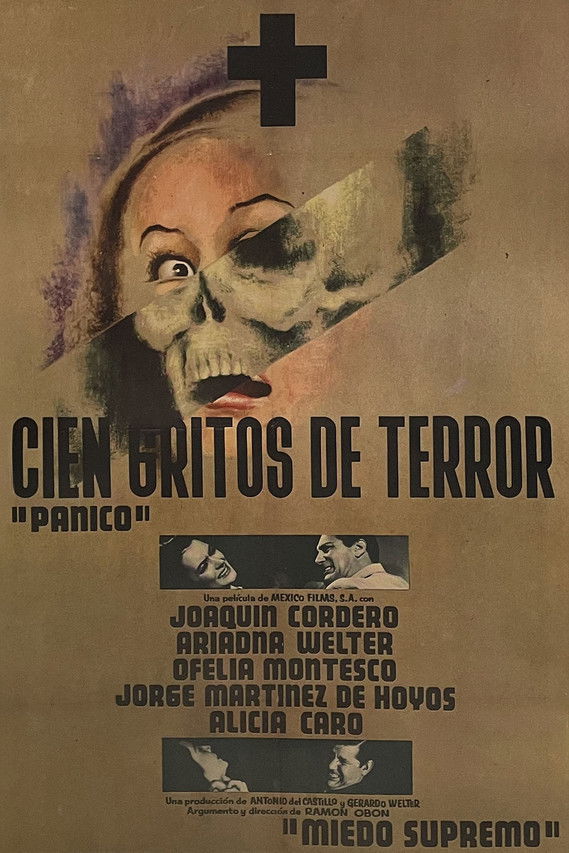
1965
Director
Ramón Obón
Runtime
100 minutes
Average Rating
No ratings yetSynopsis
A husband and his lover hatch a plan to murder his wife, and a woman is buried alive in a mausoleum.
Overall Score
Limited
Category Breakdown
LGBTQ+ Representation
The film centers on a heterosexual domestic triad involving a husband, wife, and lover. There is no evidence of non-cisnormative identities or same-sex intimacy within the narrative.
Gender Representation
Women are primarily positioned as victims of patriarchal violence or targets of male agency. The plot focuses on a conspiracy to murder a wife, reinforcing traditional gender hierarchies.
Racial & Ethnic Diversity
As a Mexican production, the film features a non-Anglo-Saxon cast. However, it reflects the standard demographic norms of the 1960s Mexican film industry rather than disrupting casting norms.
Religious & Cultural Diversity
The story utilizes Gothic horror tropes centered on betrayal and the family unit. It operates within conventional moral frameworks rather than offering institutional or secularist critiques.
Disability Representation
There is no mention of characters possessing visible or invisible disabilities. No information is available regarding the portrayal of neurodivergence or physical impairments.
Strengths
Areas for Improvement
AI Analysis
100 Cries of Terror is a traditional mid-century Mexican horror film that prioritizes melodrama and established genre tropes over social subversion. The narrative architecture focuses on domestic infidelity and the violation of the family unit, which keeps the story rooted in conventional social structures. The film lacks representation for marginalized identities, focusing instead on a heterosexual conflict. While it provides a regional Mexican perspective, it does not actively challenge the racial or gendered hierarchies prevalent in 1960s cinema.
1962
1966
1968
1963
1972
1988
1975
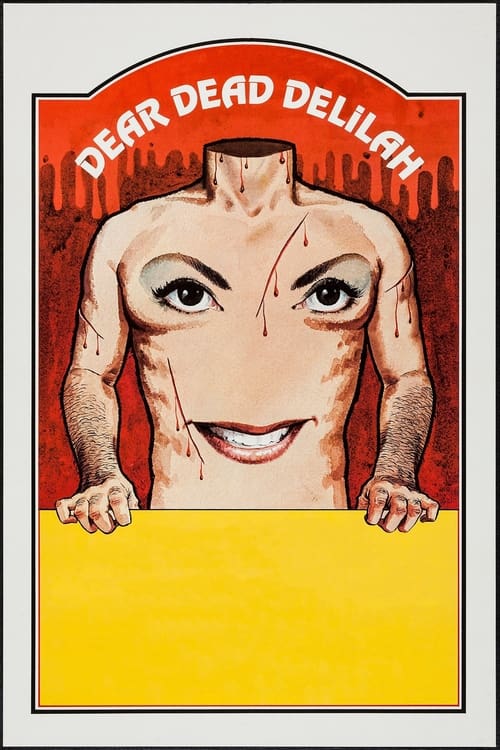
1972
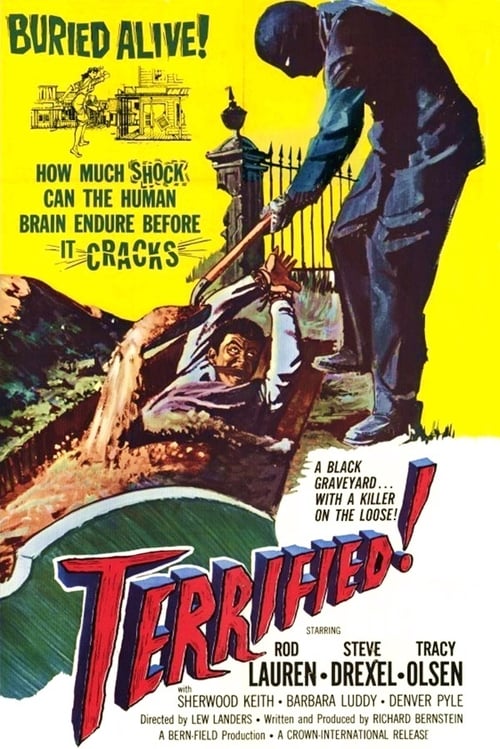
1963
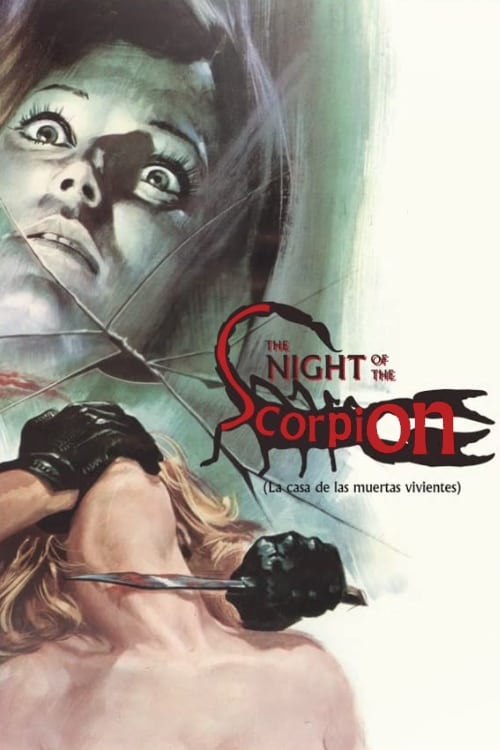
1972
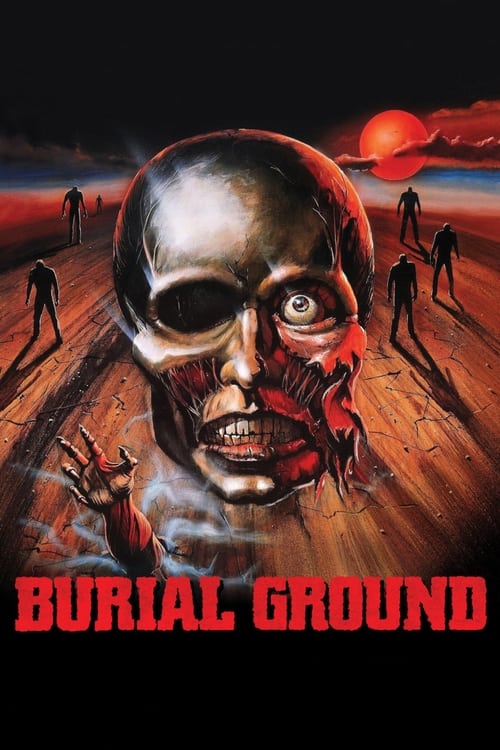
1981
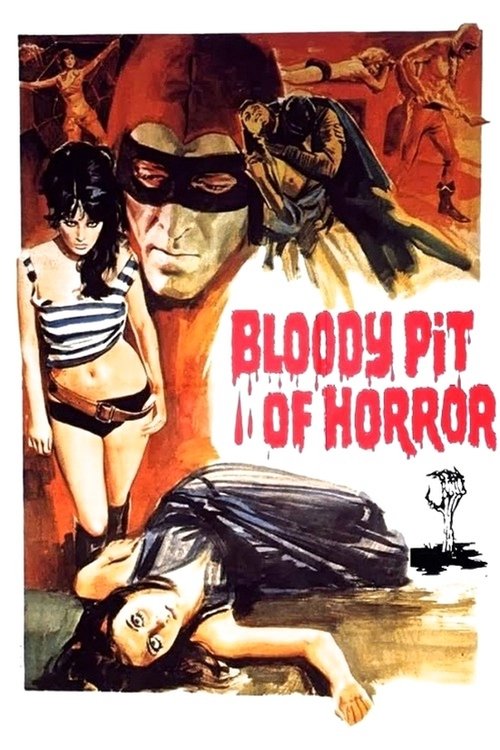
1965
No reviews yet. Be the first to share your thoughts on this movie!
Use the rating form above to leave a star rating and optional review.