We
2019
No user ratings available yet
Diversity score: 6.8 out of 10
2011
Not RatedDirector
Alrick Brown
Runtime
100 minutes
Average Rating
No ratings yetSynopsis
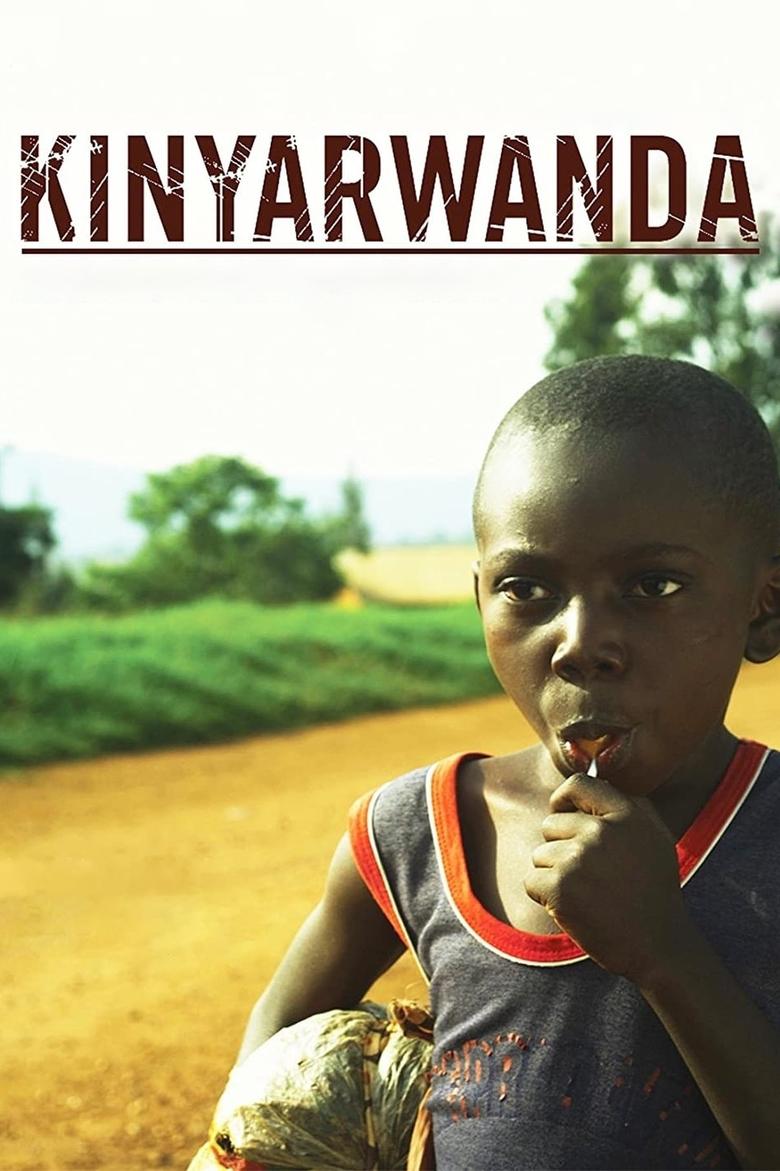
A young Tutsi woman and a young Hutu man fall in love amid chaos; a soldier struggles to foster a greater good while absent from her family; and a priest grapples with his faith in the face of unspeakable horror.
Overall Score
Good
Category Breakdown
LGBTQ+ Representation
The film lacks LGBTQ+ characters or narratives. The romantic elements focus exclusively on the central Tutsi-Hutu pairing to explore ethnic tensions.
Gender Representation
The story centers the female experience amidst patriarchal violence. The Tutsi protagonist drives the emotional stakes, emphasizing female agency through survival and psychological resilience.
Racial & Ethnic Diversity
The film provides a nuanced depiction of Hutu and Tutsi identities. It avoids Western-centric tropes by centering the African experience and regional demographic realities.
Religious & Cultural Diversity
The narrative critiques Western institutional failure and the impact of colonial history on ethnic divisions. It also explores moral relativism through a priest's crisis of faith.
Disability Representation
There are no characters with explicit visible or neurodivergent disabilities. Instead, the film focuses on the systemic psychological trauma and physical vulnerability caused by mass violence.
Strengths
Areas for Improvement
AI Analysis
Kinyarwanda is a powerful exploration of the 1994 Rwandan genocide that prioritizes local agency over Western perspectives. It succeeds by deeply engaging with the complexities of Hutu and Tutsi identities, moving beyond surface-level representation to examine how ethnic identity functions within a collapsing social contract. The film also offers a sophisticated critique of global political structures and the failure of international institutions. By weaving in themes of post-colonialism and religious crisis, it provides a multi-layered look at how systemic failures drive human tragedy. While the film excels in ethnic and cultural depth, it lacks representation for LGBTQ+ identities and does not explicitly feature characters with disabilities. However, the pervasive psychological trauma serves as a significant, albeit non-explicit, subtext of the narrative.
2019
2009
2010
2012
1995
1987

1999

1975

2007
1991
2009

2004
No reviews yet. Be the first to share your thoughts on this movie!
Use the rating form above to leave a star rating and optional review.