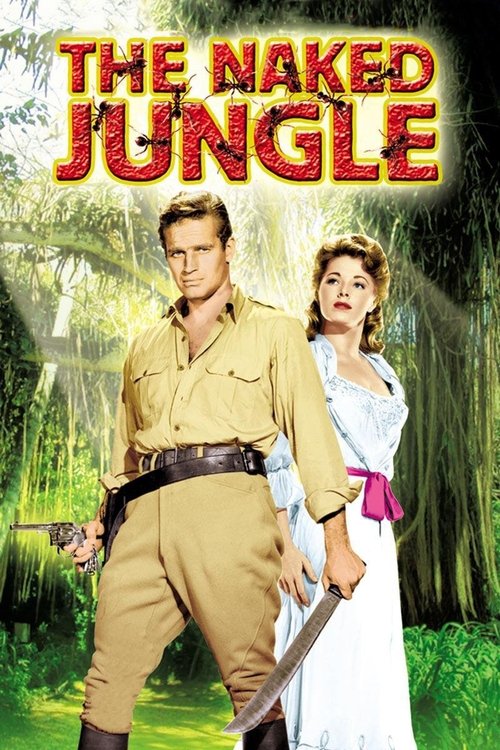
The Naked Jungle
1954
No user ratings available yet
Diversity score: 2.1 out of 10
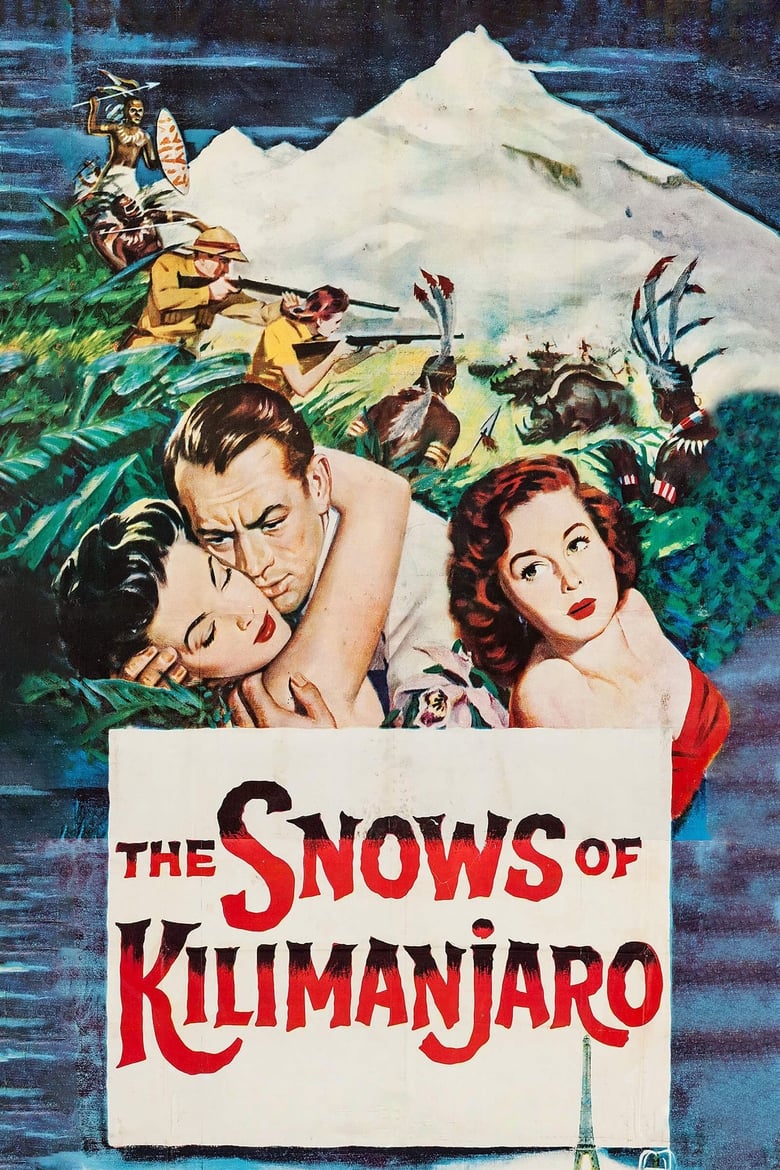
1952
NRDirector
Henry King
Runtime
117 minutes
Average Rating
No ratings yetSynopsis
Writer Harry Street reflects on his life as he lies dying from an infection while on safari in the shadow of Mount Kilimanjaro.
Overall Score
Minimal
Category Breakdown
LGBTQ+ Representation
The film lacks any presence of queer subtext or non-cisnormative identities. The romantic core is strictly heteronormative, focusing entirely on the traditional marital bond.
Gender Representation
Characters adhere to mid-century archetypes, splitting roles between adventurous men and nurturing women. While Grace shows emotional resilience, her agency is defined by her devotion to the male lead.
Racial & Ethnic Diversity
The story reflects a colonialist perspective, featuring a cast of predominantly white expatriates. The African setting serves as a backdrop rather than providing agency to local populations.
Religious & Cultural Diversity
The narrative is rooted in Western individualist existentialism. It focuses on the internal psychological struggles of the protagonist rather than challenging Western institutions or cultural norms.
Disability Representation
The protagonist's terminal infection acts as a plot device for introspection. The portrayal leans toward the tragic sufferer trope rather than offering a nuanced look at chronic illness.
Strengths
Areas for Improvement
AI Analysis
The film is a quintessential product of its era, prioritizing classical Hollywood narrative structures and conventional moral frameworks. It reinforces established social hierarchies rather than disrupting them. The storytelling centers on Western individualist themes and colonial-era social constraints. This results in a narrative where the landscape and local inhabitants serve as atmospheric elements for the white protagonists' journeys. Ultimately, the work functions as a study of personal existentialism, leaving little room for intersectional representation or the exploration of diverse identities.
1954
1945
1956

1949
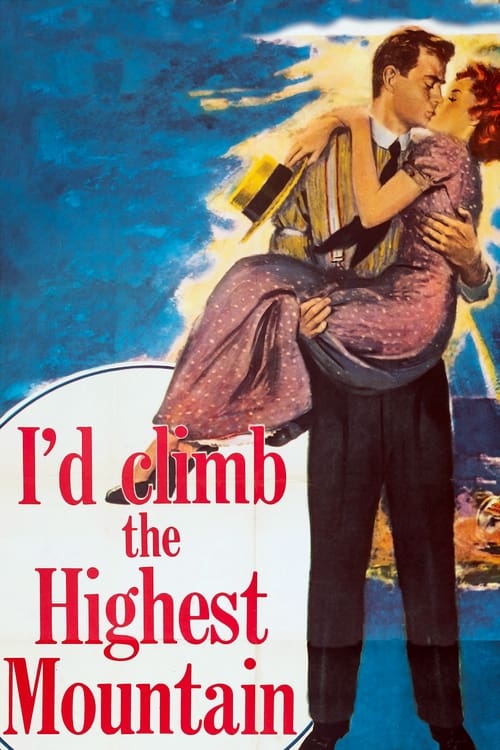
1951
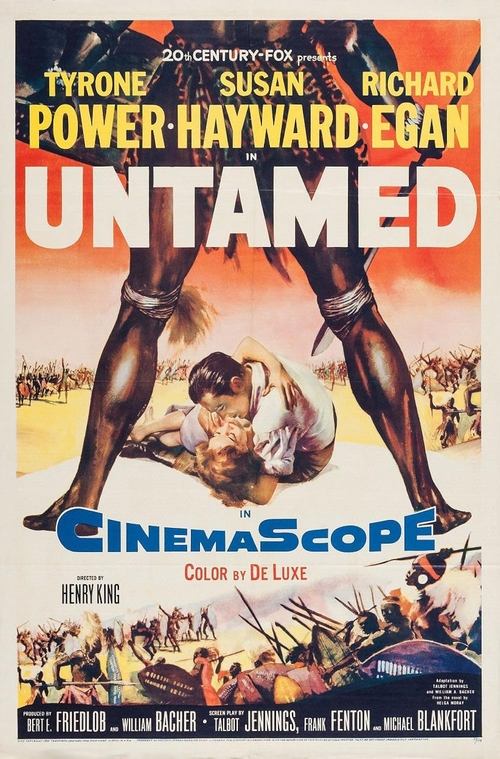
1955
No reviews yet. Be the first to share your thoughts on this movie!
Use the rating form above to leave a star rating and optional review.