Amazons and Gladiators
2001
No user ratings available yet
Representation score: 3.1 out of 10
Representation Score
Good
2024
RDirector
Ridley Scott
Runtime
148 minutes
Average Rating
No ratings yetNew Showbiz Analysis
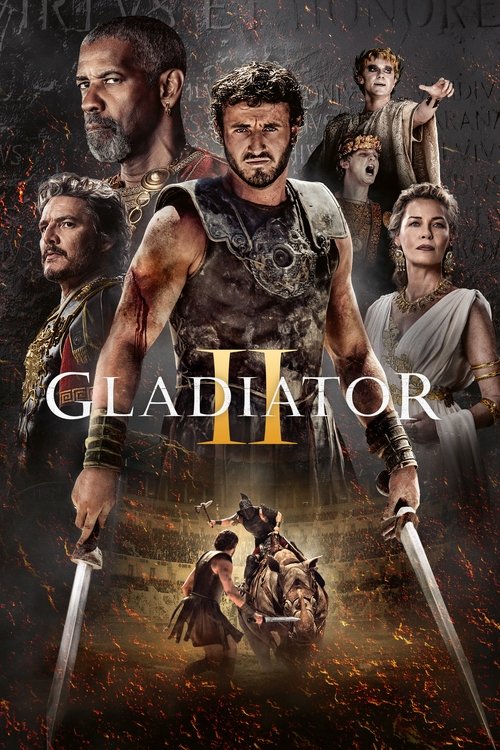
Gladiator II serves as a deconstruction of imperial stability, highlighting the tension between a tyrannical central power and the populace. Its strength lies in the potential to showcase a diverse cast through its multi-ethnic setting. However, the narrative seems heavily focused on traditional epic conflict and masculine-driven arcs. Without explicit representation of LGBTQ+ or disability issues, the film leans towards conventional historical drama clichés. Ultimately, the film's diversity stems from its setting and critique of systemic corruption rather than detailed character studies based on identity.
Category Breakdown
The film centers on the political and martial struggles of Lucius, with no explicit mention of LGBTQ+ characters or non-straight identities.
The film explores a dual-emperor system that could offer nuanced portrayals of female power. However, while Lucius drives the main storyline, the setting allows for challenging traditional masculine clichés.
The Roman Empire setting naturally includes a multi-ethnic cast, providing opportunities for meaningful representation of diverse characters through the conflict between provincial identities and centralizing power.
The story critiques established Western institutions by depicting the Roman leadership as tyrannical. The mission to restore Rome's glory highlights the dismantling of corrupt and oppressive power structures.
There is no specific mention of characters with visible or invisible disabilities in the current narrative, which focuses on the martial and political struggles of the protagonist.
Present on Screen
Limited or Absent
Official Synopsis
Years after witnessing the death of the revered hero Maximus at the hands of his uncle, Lucius is forced to enter the Colosseum after his home is conquered by the tyrannical Emperors who now lead Rome with an iron fist. With rage in his heart and the future of the Empire at stake, Lucius must look to his past to find strength and honor to return the glory of Rome to its people.
2001

2017
2000
2014
1964
2015

2016
2011
No reviews yet. Be the first to share your thoughts on this movie!
Use the rating form above to leave a star rating and optional review.