A Concerto Is a Conversation
2020
No user ratings available yet
Representation score: 6.4 out of 10
Representation Score
Fair
2023
TV-MADirector
Sadé Clacken Joseph
Runtime
94 minutes
Average Rating
No ratings yetNew Showbiz Analysis
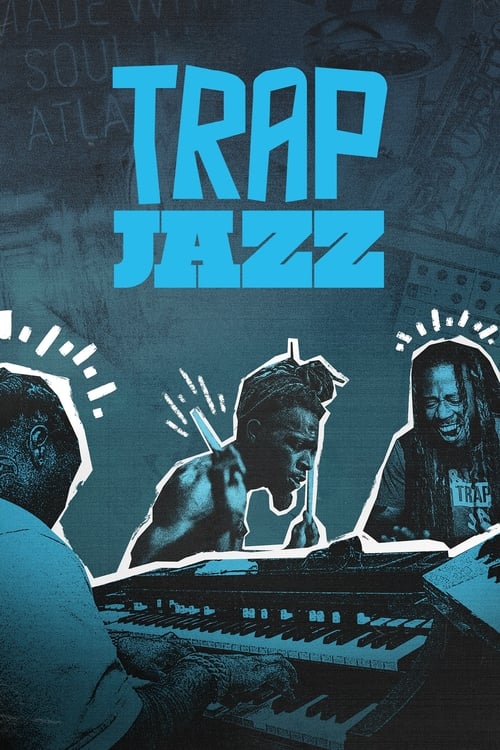
Trap Jazz anchors its narrative in the Atlanta music scene, leveraging Quincy Jones to provide historical weight. The film celebrates Black musical innovation by fusing trap and jazz, highlighting specific cultural roots within the industry. This focus creates a strong sense of community and heritage, though it leaves other demographic details unexplored. The lack of explicit LGBTQ+ or disability representation is notable, as the story remains tightly focused on artistic collaboration. While the genre fusion offers rich cultural context, the absence of broader demographic visibility limits the scope of the discussion. The film prioritizes musical evolution over diverse personal narratives. Overall, the documentary succeeds in showcasing a specific cultural moment through its central figures. It effectively uses the genre blend to discuss industry evolution, even if it does not address every aspect of human diversity. The result is a focused portrait of musical heritage rather than a broad demographic study.
Category Breakdown
The film contains no LGBTQ+ characters, relationships, or identities. The narrative stays strictly on the musical collaboration and genre fusion without addressing sexual orientation or gender identity.
Quincy Jones is the only named individual, centering the story on a prominent male figure. The available text does not specify the gender composition of the other Atlanta musicians involved in the project.
The documentary centers on Atlanta musicians, a group heavily associated with Black culture in the music industry. Quincy Jones leads the project, and the fusion of trap and jazz highlights specific cultural roots.
The film explores the fusion of trap and jazz, two genres with deep cultural histories. It portrays the music industry's evolution and the musicians' journey into the spotlight without mocking their craft.
No characters with physical or mental disabilities are identified in the available context. The narrative focuses on musical performance and career trajectories rather than disability experiences.
Present on Screen
Limited or Absent
Official Synopsis
Atlanta musicians behind some of the biggest names in music embark on an uncertain journey into the spotlight with a new genre of music that fuses trap music with jazz.
2020
2018
2014
2005
2022

2019
2010
2017
No reviews yet. Be the first to share your thoughts on this movie!
Use the rating form above to leave a star rating and optional review.