We Want the Funk!
2025
No user ratings available yet
Representation score: 6.8 out of 10
Representation Score
Good
2014
Director
Nelson George
Runtime
78 minutes
Average Rating
No ratings yetNew Showbiz Analysis
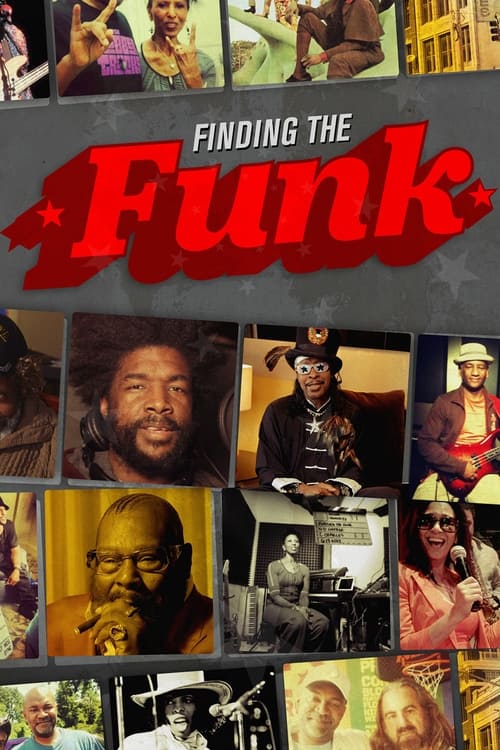
Finding the Funk is a celebratory deep dive into a genre that serves as a cornerstone of Black cultural history. By tracing the movement from James Brown to P-Funk, the film centers Black innovation as the primary driver of the musical narrative. The documentary succeeds in challenging Western musical hierarchies by treating Funk as a foundational, sophisticated art form. It explores how the music responds to broader social changes and communal needs. While the film excels in racial and cultural representation, it offers less explicit detail regarding LGBTQ+ identities or disability. However, the genre's inherent aesthetic provides a subtle, non-conformist backdrop for diverse expression.
Category Breakdown
The film captures the flamboyant, non-conformist aesthetic inherent to Funk. While it lacks explicit romantic arcs or identity declarations, it acknowledges the genre's history of challenging assumptions that everyone is straight or cisgender.
The documentary disrupts male-centric musical clichés by highlighting female artists like Nona Hendryx and Sheila E. These portrayals emphasize technical mastery and a significant role in driving the story.
This film is a profound exploration of Black ability to act and excellence. It centers a non-white majority narrative, tracing the lineage of Black musical legends and their cultural heritage.
The narrative elevates Funk as a sophisticated art form rooted in Black communal expression. It prioritizes oral histories and collective identity over individualistic musical production.
There is no visible or invisible disability representation present in the documentary's subjects or narrative.
Present on Screen
Limited or Absent
Official Synopsis
Finding the Funk is a road trip in search of the past, present and future of Funk music. Starting with Funk's roots in Jazz and the James Brown bands of the '60s we travel to the Bay Area to celebrate Sly & the Family Stone, then to Dayton the birthplace of so many of Funk's originators, then onto Detroit where from the ashes of Motown, P-Funk's Mothership arose, and then to LA where a new crop of musicians are creating their own Funk history. On our journey into Funk, we talk to legends Sly Stone, Bootsy Collins, George Clinton, Nona Hendryx, Maceo Parker, Bernie Worrell, and Steve Arrington and their descendants Mike D, D'Angelo, Sheila E, Shock G and Sade's Stuart Matthewman. Narrated by Ahmir 'Questlove' Thompson of the Roots.
2025
2018
2016
2021
2020
2021
2013
2003
No reviews yet. Be the first to share your thoughts on this movie!
Use the rating form above to leave a star rating and optional review.