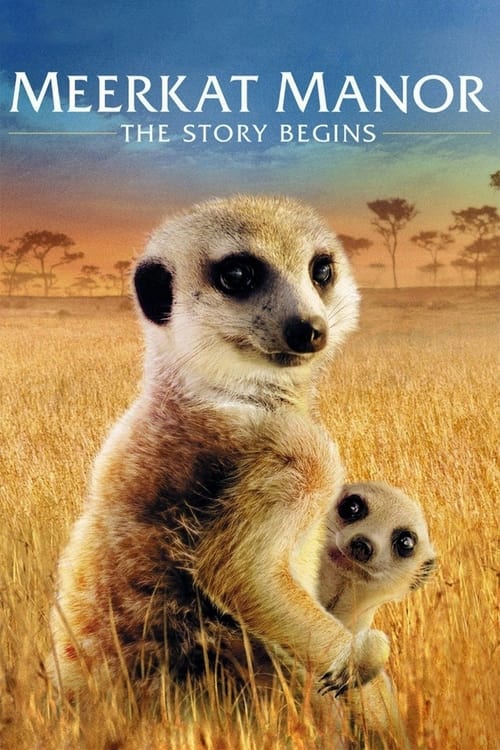
Meerkat Manor: The Story Begins
2008
No user ratings available yet
Representation score: 4.0 out of 10
Representation Score
Minimal
2008
GDirector
James Honeyborne
Runtime
83 minutes
Average Rating
No ratings yetNew Showbiz Analysis
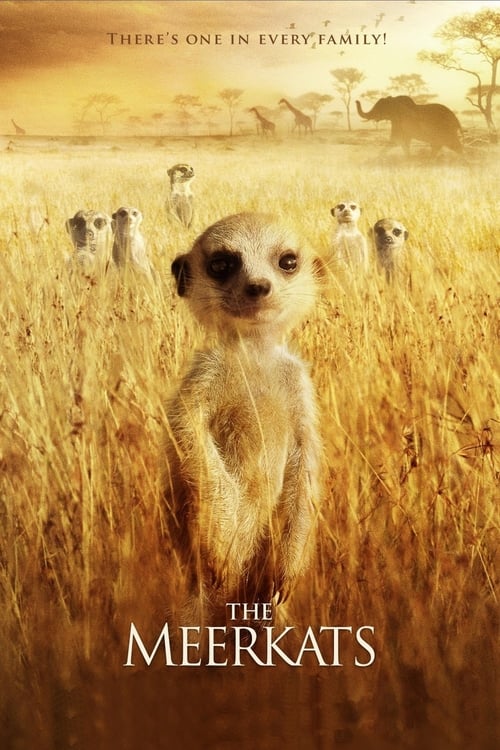
The Meerkats is a dramatized natural history documentary centered on the life of a pup named Kolo. Since the subjects are non-human, traditional human frameworks of diversity, such as race, religion, and LGBTQ+ identity, do not apply to the animals. The film adheres to standard wildlife documentary conventions, focusing on biological resilience and the strength of familial bonds in the Kalahari Desert. It prioritizes ecological storytelling over sociopolitical commentary. Ultimately, the production is designed to highlight the stability of the natural world rather than engaging with or disrupting human social expectations or identity politics.
Category Breakdown
The film focuses solely on animal behavior and biological needs. There are no depictions of non-traditional gender or sexual orientations within this zoological subject matter.
The narrative highlights biological roles within a meerkat mob. While female dominance is a biological fact in these social structures, the film remains neutral on social gender hierarchies.
As a wildlife documentary set in the Kalahari Desert, human racial and ethnic diversity is not relevant to the animal subjects.
The story celebrates traditional values like resilience, fortitude, and family connections. It emphasizes the stability of the natural order and social cohesion within the animal unit.
There is no depiction of neurodivergence or physical disabilities among the animal subjects or within the narrative devices used.
Present on Screen
Limited or Absent
Official Synopsis
A coming of age story following a young meerkat pup, Kolo, growing up in the Kalahari desert; and an inspiring look at how one family's connection to each other and their surroundings is a model of resilience and fortitude for us all. Shot using ground-breaking techniques, this dramatised documentary is a one-of-a-kind presentation from The Weinstein Company and the BBC, featuring narration by Paul Newman.
2008
2014

2005
2016
2019
2015
2019
2012
No reviews yet. Be the first to share your thoughts on this movie!
Use the rating form above to leave a star rating and optional review.