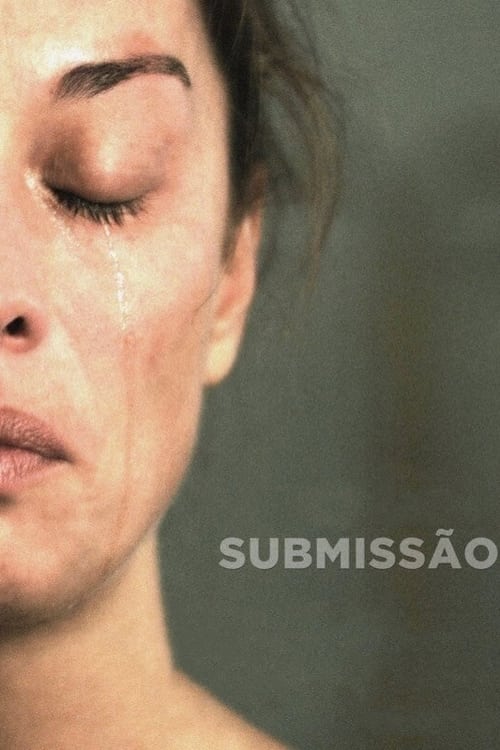
Submission
2020
No user ratings available yet
Representation score: 2.5 out of 10

Representation Score
Good
2020
Director
Nándor Lőrincz, Bálint Nagy
Runtime
118 minutes
Average Rating
No ratings yetNew Showbiz Analysis
As Far As I Know is a sophisticated drama that prioritizes the deconstruction of systemic power rather than simple character clichés. It excels in its critique of gendered authority and the fallibility of legal institutions. By focusing on the 'triangle of guilt,' the film moves beyond traditional genre expectations to examine how subjectivity shapes justice. However, the film's diversity profile is uneven. While it offers a strong critique of patriarchal legal norms, it lacks verifiable information regarding racial diversity or disability representation. The narrative's focus is deeply rooted in a specific European context, which may limit its broader reach. Ultimately, the film serves as a progressive analysis of situational ethics. It trades traditional certainty for a complex look at how social and legal structures fail to achieve true equality.
Category Breakdown
The film explores the complexities of consent and personal choice. Though specific LGBTQ+ characters are not named, the narrative emphasizes the importance of individual ability to act, moving away from the assumption that everyone is straight or cisgender.
The story challenges traditional gender roles by highlighting how sexual crime adjudication is influenced by women's control over their lives. It questions patriarchal legal systems and how gendered testimonies impact court decisions.
The narrative appears situated within a specific European cultural context. There is no explicit evidence regarding a non-Anglo-Saxon majority or diverse ethnic casting within the provided details.
The film prioritizes moral relativism and questions established institutions. It challenges the reliability of traditional Western judicial structures by presenting justice as a flawed, subjective concept.
There is no documented evidence regarding the portrayal of physical or neurodivergent disabilities in the film's synopsis or cast information.
Present on Screen
Limited or Absent
Official Synopsis
No equal signs of justice can be drawn between those who are accused of a crime, those who are convicted of a crime and those who are the true offenders. That triangle always contains the accused who are not guilty and true offenders whose guilt cannot be ultimately proven. Throughout history, one of the greatest deviations in the strive towards equality has occurred in the triangle of guilt in sexual crimes, where guilt is largely proven on the basis of a woman’s will.
2020
2020

2012

2022
2021

2020

2020
2019
No reviews yet. Be the first to share your thoughts on this movie!
Use the rating form above to leave a star rating and optional review.