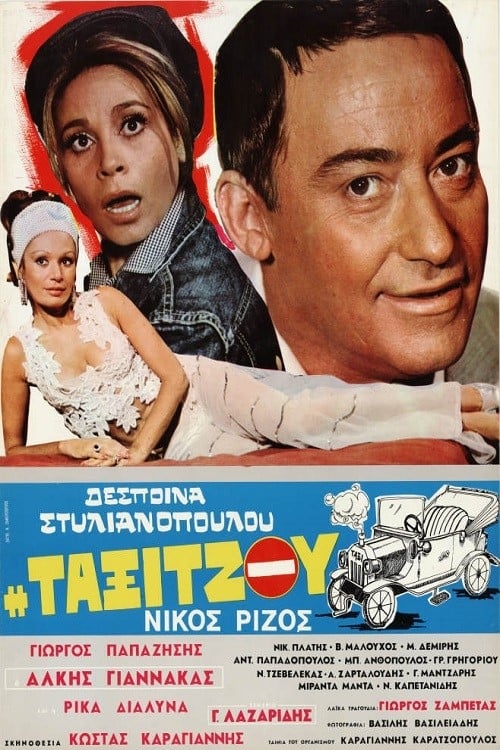
The Taxi Driver
1970
No user ratings available yet
Representation score: 4.6 out of 10

Representation Score
Minimal
1953
Director
Yorgos Tzavellas
Runtime
95 minutes
Average Rating
No ratings yetNew Showbiz Analysis
The Driver is a realistic portrayal of mid-century Greece, emphasizing the social and moral hierarchies of the time. The narrative centers on traditional values and socioeconomic resilience. While the film offers a true-to-life depiction of its cultural context, it does not aim to disrupt conventional norms. Instead, it maintains the social order through the perspective of a working-class protagonist. Ultimately, the film captures the essence of its era, prioritizing local social cohesion over diverse perspectives or the subversion of established norms.
Category Breakdown
The film does not include any LGBTQ+ characters or non-straight identities. It focuses on the protagonist's desire to marry his fiancée, following the heterosexual norms of 1953.
The story reinforces traditional male dominance and gender roles. Men's labor and stability are central to the plot, with little challenge to the power dynamics of masculinity.
The cast and setting are primarily homogeneous, reflecting a specific Greek cultural context. While this mirrors the period accurately, it does not include diverse backgrounds.
The story emphasizes traditional Mediterranean social structures and the importance of the nuclear family. It supports the social order and communal reputation of the time without questioning these norms.
There are no characters with physical or neurodivergent disabilities in the film.
Present on Screen
Limited or Absent
Official Synopsis
A poor taxi driver works hard in order to pay off his car and to marry his fiancee.
1970

1978

1958

1953

1967

1967

1966

1972
No reviews yet. Be the first to share your thoughts on this movie!
Use the rating form above to leave a star rating and optional review.