
The Age of Adaline
2015
No user ratings available yet
Representation score: 2.9 out of 10
Representation Score
Fair
2008
PG-13Director
David Fincher
Runtime
166 minutes
Average Rating
No ratings yetNew Showbiz Analysis
The film uses a fantastical premise to deconstruct the typical human life trajectory. It prioritizes existential questions over political identity, focusing on how individuals navigate lives that deviate from societal norms. While the narrative successfully challenges conventional biological and temporal norms, it remains rooted in traditional romantic structures. The absence of diverse racial and LGBTQ+ representation limits its engagement with broader social hierarchies. Ultimately, the work examines the concept of ability to act and physical atypicality through a non-linear lens, even if it avoids significant demographic shifts.
Category Breakdown
The story follows a traditional framework centered around heterosexual relationships. The emotional journey focuses on the romance between Benjamin and Daisy, without delving into non-traditional gender or sexual identities.
Daisy plays a significant role in driving the story, navigating her evolving relationship with Benjamin. The film challenges clichés about aging women while maintaining a traditional romantic storyline.
Despite the rich historical context of New Orleans, the main narrative focuses on a largely homogenous cast. It lacks a focus on diverse racial identities or backgrounds.
The film explores existential and moral relativism rather than religious doctrine. It presents a non-linear life path that challenges societal norms.
Benjamin’s reverse aging serves as a metaphor for physical vulnerability and ongoing physiological changes. The narrative gives him a significant role in driving the story, highlighting his condition rather than eliciting sympathy.
Present on Screen
Limited or Absent
Official Synopsis
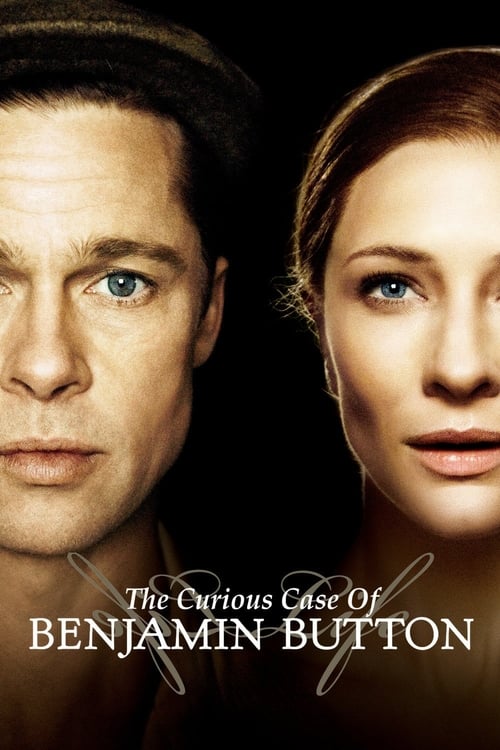
Born under unusual circumstances, Benjamin Button springs into being as an elderly man in a New Orleans nursing home and ages in reverse. Twelve years after his birth, he meets Daisy, a child who flits in and out of his life as she grows up to be a dancer. Though he has all sorts of unusual adventures over the course of his life, it is his relationship with Daisy, and the hope that they will come together at the right time, that drives Benjamin forward.
2015
1980

2009
2013

2009

2007

2013
2002
No reviews yet. Be the first to share your thoughts on this movie!
Use the rating form above to leave a star rating and optional review.