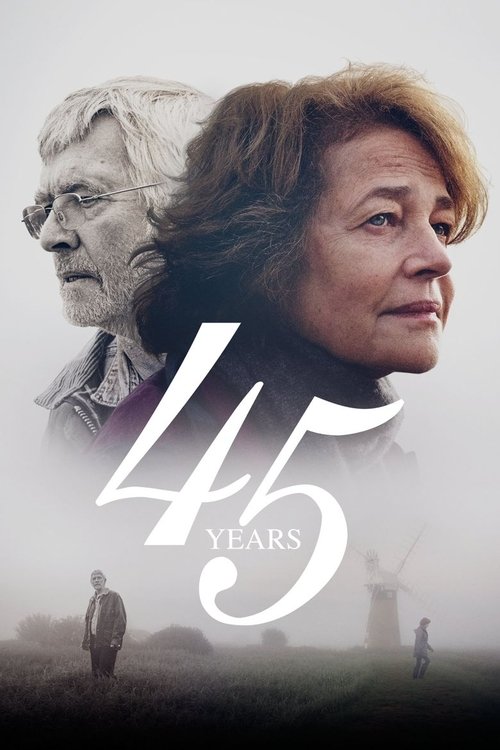
45 Years
2015
No user ratings available yet
Representation score: 2.3 out of 10

Representation Score
Fair
2007
PG-13Director
Lajos Koltai
Runtime
117 minutes
Average Rating
No ratings yetNew Showbiz Analysis
Evening is a character-driven drama that excels in exploring the psychological depth of its female characters. Through memory and regret, the film delves into the complexities of womanhood at various life stages, providing a nuanced perspective on how personal experiences shape identity. However, the film adheres to a conventional Western narrative structure. The cast is primarily white, and the story revolves around traditional family dynamics rather than diverse social perspectives. Ultimately, while the film stands as a thoughtful exploration of human emotions, it does not disrupt systemic norms in a way that would elevate its diversity score.
Category Breakdown
The film focuses on traditional heterosexual relationships and long-term friendships. It does not include any explicit LGBTQ+ characters or stories that challenge typical romantic structures.
The story emphasizes the internal lives and roles of women across different generations. By highlighting the emotional complexity of women, it challenges some traditional storytelling conventions.
The cast is mainly composed of white actors. The storyline follows a particular family line without much racial diversity or non-European perspectives.
The film examines moral ambiguity and the contrast between public image and personal history. It questions the idealized notion of a perfect maternal heritage through memories.
There is no indication that disability or neurodivergence plays a central role in the narrative or as a character trait in this film.
Present on Screen
Limited or Absent
Official Synopsis
As Constance (Natasha Richardson) and Nina (Toni Collette) gather at the deathbed of their mother, Ann (Vanessa Redgrave), they learn for the first time that their mother lived an entire other lifetime during one evening 50 years ago. In vivid flashbacks, the young Ann (Claire Daines) spends one night with a man named Harris (Patrick Wilson), who was the love of her life.
2015
2006
1995
1998

2020

2014
2004
1993
No reviews yet. Be the first to share your thoughts on this movie!
Use the rating form above to leave a star rating and optional review.