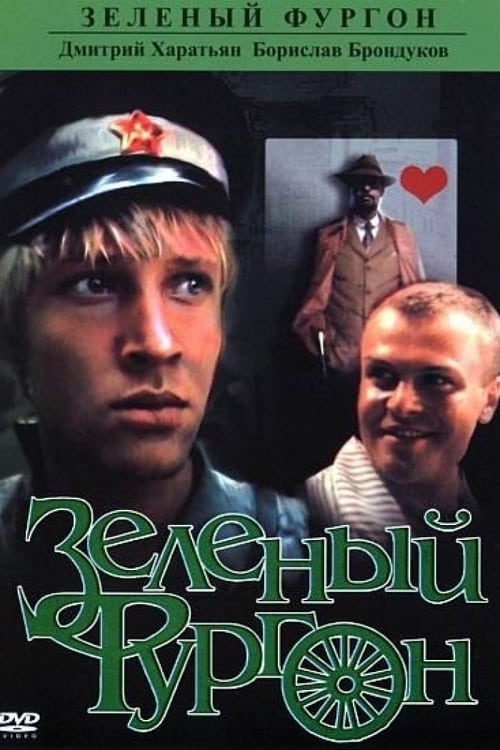
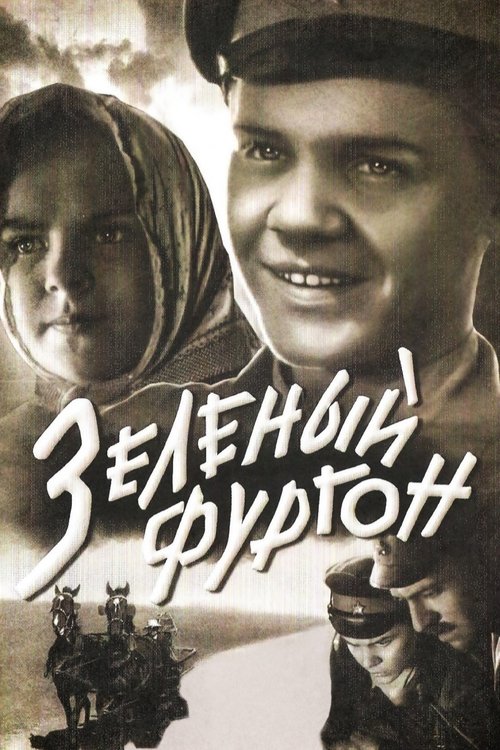
The Green Van
1983
No user ratings available yet
Representation score: 3.4 out of 10
Representation Score
Good
1959
Director
Genrikh Gabay
Runtime
88 minutes
Average Rating
No ratings yetNew Showbiz Analysis
The Green Van is a period piece deeply rooted in the socio-political objectives of the 1959 Soviet era. It functions primarily as a narrative of state-building and revolutionary restructuring following the Russian Civil War. While the film lacks representation of underrepresented identities like LGBTQ+ individuals or people with disabilities, it benefits from its setting. The multicultural atmosphere of Odessa provides a foundation for ethnic diversity that exceeds many Western films of the same period. Ultimately, the film's diversity is defined by its ideological stance. It challenges Western capitalist hierarchies by centering on the transition to a new, collective social order.
Category Breakdown
The film does not include any LGBTQ+ characters or stories that go beyond the assumption that everyone is straight or cisgender. Given the 1959 Soviet context, such identities were likely excluded due to state censorship.
Gender roles in the film seem to follow traditional patterns typical of Soviet filmmaking. The emphasis on law enforcement and state-building suggests a narrative focused on revolutionary utility rather than diverse gender arcs.
Set in Odessa, the film benefits from a natural multicultural environment. The city’s history allows for the inclusion of Jewish, Greek, and Slavic populations within the narrative.
The film excels at showing the shift towards a communist government. It prioritizes collective security and anti-capitalist sentiments over individualist or traditionalist social structures.
There is no indication of characters with visible or invisible disabilities. During this era of crime cinema, such characters were rarely given a significant role.
Present on Screen
Limited or Absent
Official Synopsis
It is 1920. After three years of the Russian Civil War, communist government is finally established in Odessa. Young Volodya Kozachenko, who dreams of being a detective like Sherlock Holmes, joins the newly forming Odessa Criminal Police.
1983

2006

1955
1933
1927

1937
1939
1952
No reviews yet. Be the first to share your thoughts on this movie!
Use the rating form above to leave a star rating and optional review.