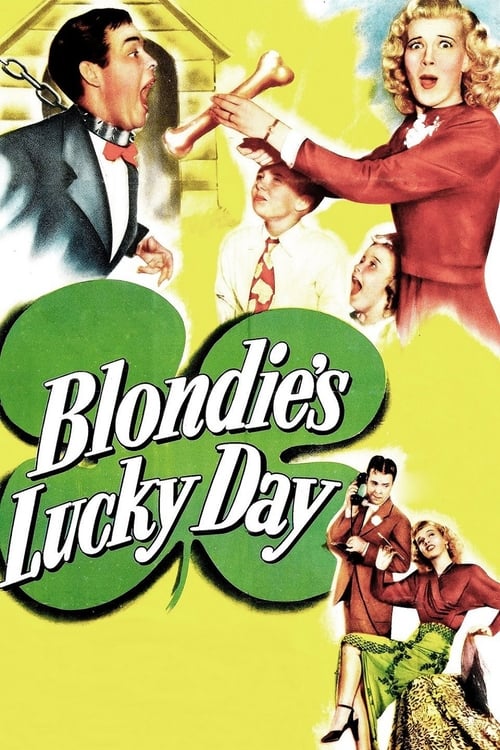
Blondie's Lucky Day
1946
No user ratings available yet
Representation score: 1.7 out of 10
Representation Score
Minimal
1947
ApprovedDirector
Abby Berlin
Runtime
70 minutes
Average Rating
No ratings yetNew Showbiz Analysis
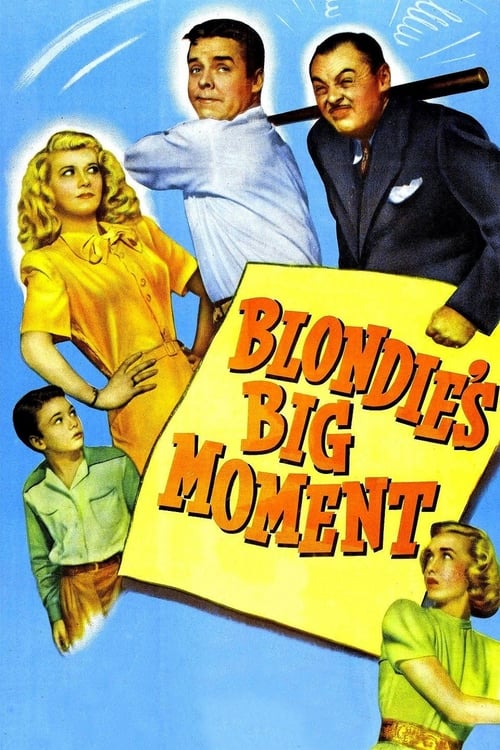
Blondie's Big Moment is a typical product of the 1940s studio system, emphasizing the preservation of established social norms. The narrative aims to maintain the status quo, presenting any deviation from domestic norms as a comedic issue. The film offers a clear, technically proficient example of the 1940s domestic comedy genre. However, it lacks diversity and narrative subversion, failing to challenge the cultural and racial norms of its time. The story primarily focuses on maintaining the stability of the nuclear family, reinforcing traditional gender roles and lacking representation of diverse racial and ethnic backgrounds.
Category Breakdown
The film does not include any LGBTQ+ characters or non-straight relationships. The story centers on a traditional marriage, fitting the heterosexual norms of the post-war era.
The plot reinforces traditional gender roles by portraying female career success as a disruption to the home. Dagwood's efforts to bring Blondie back to traditional roles highlight patriarchal control.
The film features a cast that lacks diversity, reflecting the homogeneity of the era. There are no indications of non-Anglo-Saxon characters within the family unit.
The narrative emphasizes the stability of the nuclear family and mid-century Western values. It focuses on restoring domestic harmony rather than exploring any radical social critiques.
There is no mention of characters with physical or cognitive disabilities in the plot.
Present on Screen
Limited or Absent
Official Synopsis
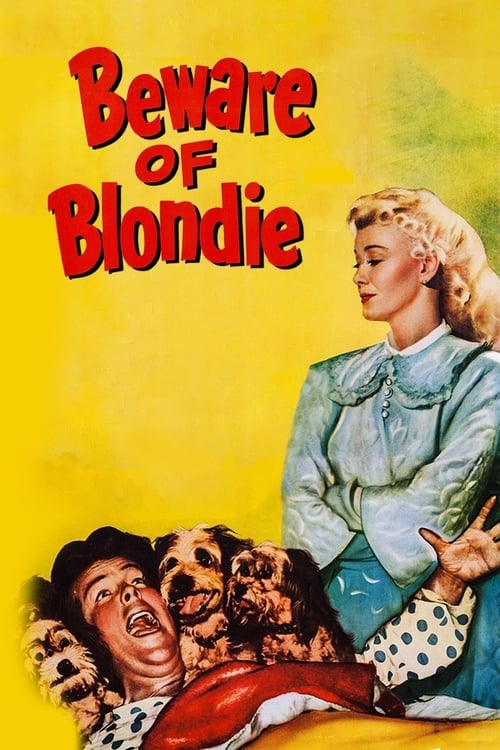
Blondie decides she wants to be a star and nearly turns her household upside down in this entry in the long-running domestic comedy series. Dagwood has mixed emotions about his wife's theatrical aspirations and eventually he decides to get her to quit. As usual - disaster ensues.
1946
1947
1948
1950

1946
1948
1952
1945
No reviews yet. Be the first to share your thoughts on this movie!
Use the rating form above to leave a star rating and optional review.