
Lillehammer ’94: 16 Days of Glory
1994
No user ratings available yet
Representation score: 4.6 out of 10
Representation Score
Fair
1985
GDirector
Bud Greenspan
Runtime
285 minutes
Average Rating
No ratings yetNew Showbiz Analysis
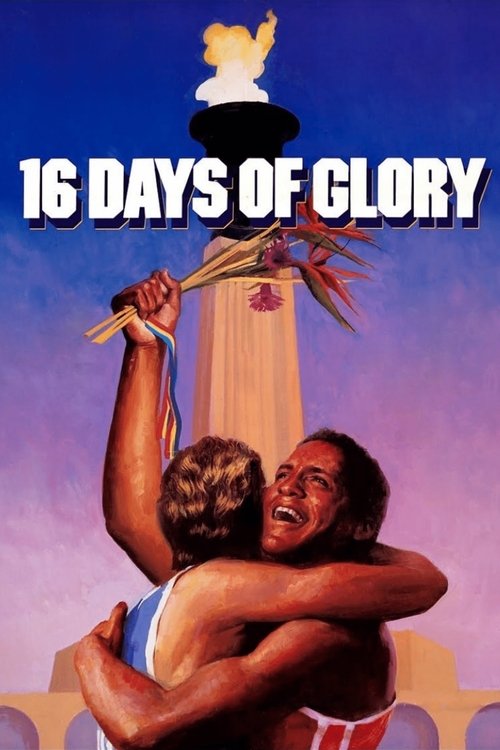
16 Days of Glory documents the 1984 Los Angeles Olympics, focusing on the psychological experiences of athletes within a highly regulated environment. The film offers authentic visibility to a diverse American delegation, reflecting the event's composition rather than a deliberate effort to challenge societal hierarchies. It emphasizes meritocracy, patriotism, and institutional order, aligning with the social values of its time.
Category Breakdown
The film follows the social norms of the mid-1980s. There is no indication of characters with non-binary gender identities or same-sex relationships.
Female athletes are shown through their training and competition. However, the film upholds traditional gender roles without challenging them.
The documentary includes Black, Hispanic, and White athletes. This diversity is captured through a journalistic perspective rather than an exploration of identity.
The film highlights achievements and patriotism within Western institutions. It promotes traditional values of discipline and meritocracy without questioning these structures.
The focus is on able-bodied athletes. While it showcases their physical sacrifices, it does not include neurodivergent or physically disabled individuals.
Present on Screen
Limited or Absent
Official Synopsis
The definitive photographic record of the 1984 Los Angeles Olympics, told "from the inside" through the lives of the participants, the words of David Perry, and the singing voice of Placido Domingo. From the opening to closing ceremonies, this unique style of storytelling shows a side of the Olympic Games not seen by television audiences.
1994

1938
2005

2016

1998

2005

1997

2003
No reviews yet. Be the first to share your thoughts on this movie!
Use the rating form above to leave a star rating and optional review.