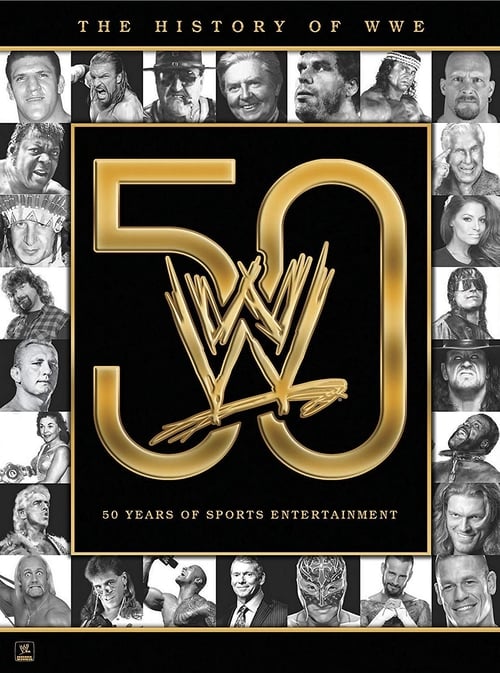
The History of WWE: 50 Years of Sports Entertainment
2013
No user ratings available yet
Representation score: 3.8 out of 10
Representation Score
Limited
2011
PGDirector
Kevin Dunn
Runtime
121 minutes
Average Rating
No ratings yetNew Showbiz Analysis
The documentary functions as a historical business archive that celebrates the commercial expansion of the WWE. It prioritizes the mechanics of industry growth and the personalities driving the brand over social critique. While the roster is demographically varied, the film's perspective is tethered to traditional masculine and capitalist frameworks. It documents the solidification of established social norms rather than attempting to disrupt them. Ultimately, the work serves as a retrospective of a corporate entity. It focuses on the triumph of the brand and the physical prowess of its stars, leaving little room for multi-layered exploration.
Category Breakdown
The documentary does not explicitly focus on LGBTQ+ identities or non-traditional gender roles. It centers on traditional professional wrestling archetypes without engaging with queer identities.
The film reflects historical industry hierarchies where male performers hold the majority of ability to act. While it documents women moving toward athletic participation, the narrative reinforces masculine leadership and physical dominance.
A wide array of performers from diverse ethnic backgrounds are featured, reflecting a globalized roster. However, ethnicity is often used as a theatrical device rather than a vehicle for deep character development.
The film operates as a pro-capitalist narrative celebrating the scaling of a private enterprise. It reinforces the success of Western entertainment models rather than offering critiques of traditional institutions.
There is minimal visibility regarding neurodivergence or physical disabilities. The focus remains on the superhuman physical capabilities of performers, omitting narratives concerning disability or chronic illness.
Present on Screen
Limited or Absent
Official Synopsis
The story of WrestleMania, from its early beginnings through the week-long spectacular it has become, including interviews from the Superstars and creative forces behind the event.
2013

2012

2002

2011
2010
2007
2009
2010
No reviews yet. Be the first to share your thoughts on this movie!
Use the rating form above to leave a star rating and optional review.