
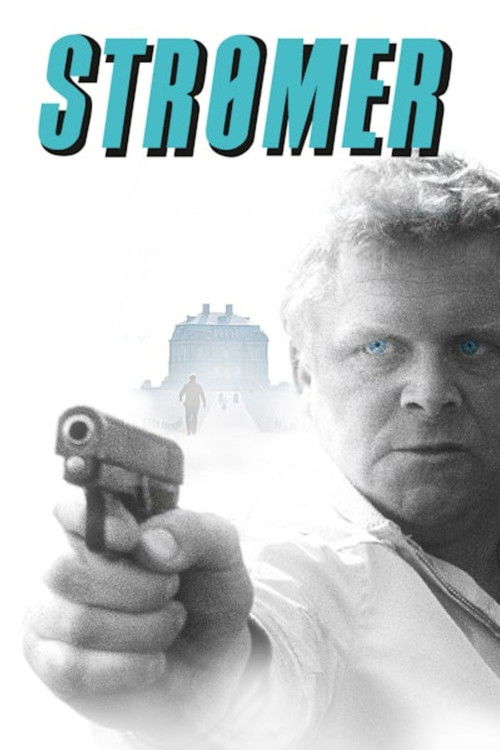
La Menace
1977
No user ratings available yet
Representation score: 2.3 out of 10
Representation Score
Fair
1976
Director
Anders Refn
Runtime
106 minutes
Average Rating
No ratings yetNew Showbiz Analysis
Copper is a typical 1970s crime thriller that emphasizes traditional masculine ability to act and genre conventions. The narrative centers on a male detective navigating corruption, which keeps the focus on conventional social structures. While the film touches on mental health and institutional friction, it lacks complexity in addressing multiple aspects of identity. The themes of corruption and instability follow established clichés rather than challenging social hierarchies or providing diverse perspectives. Ultimately, the film reflects the era's cinematic norms, offering a localized, character-driven story without significant representation of underrepresented identities or systemic social critique.
Category Breakdown
The film centers on heterosexual relationships, particularly the protagonist's relationship with his ex-wife and her new husband. There is no visible representation of non-binary or transgender identities.
The male characters drive the plot, with Detective Karl Jørgensen playing a central role. The ex-wife serves as a catalyst for the investigation but her role remains secondary to the male-led procedural elements.
The cast appears homogeneous, typical of mid-1970s European crime cinema. There is no evidence of a multicultural ensemble or intentional ethnic blending.
The story explores institutional friction and corruption involving the mayor and police chief. It follows traditional vigilante clichés rather than offering a systemic critique of Western institutions.
The protagonist's history in a sanatorium introduces mental health themes. However, it remains unclear if this is handled with nuance or used as a cliché for character instability.
Present on Screen
Limited or Absent
Official Synopsis
After a stay in a sanatorium due to violent behavior during an arrest, Detective Karl Jørgensen is transferred to the fraud department. Here, Karl discovers a case involving his ex-wife and her new husband. When Karl begins to investigate the case, he is stopped by the police chief. Karl teams up with journalist John Bullnes. They gradually get closer to the truth, but are stopped when a suspect commits suicide. Karl is suspended and Bullnes is sent to Berlin on an assignment. Karl then takes the case into his own hands and arrests the city's mayor and a major contractor.
1977
1991
1997

2016
1987
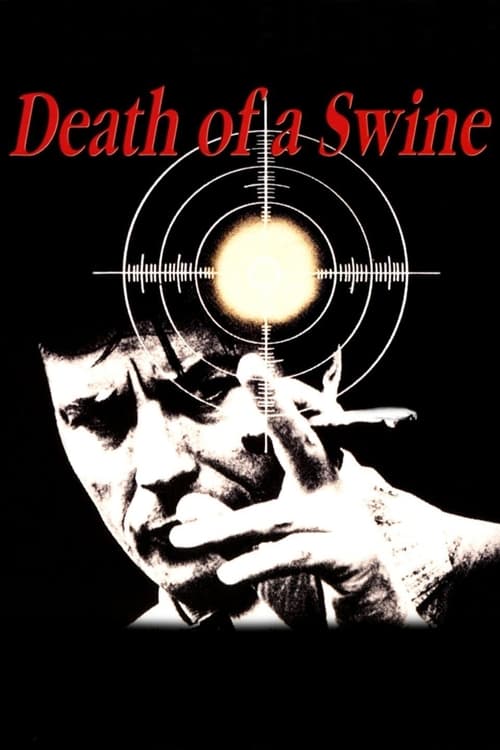
1977

2012
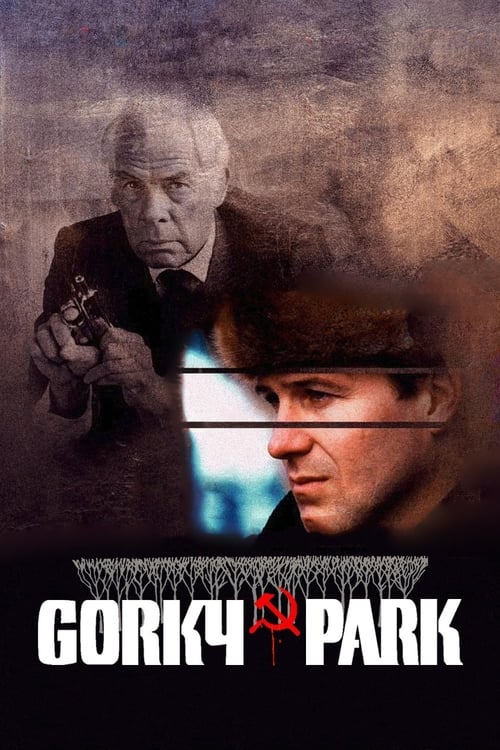
1983
No reviews yet. Be the first to share your thoughts on this movie!
Use the rating form above to leave a star rating and optional review.